Motorcycle Dash Cam for Lane Splitting: Film Every Close Pass
Motorcycle Dash Cam for Lane Splitting: Film Every Close Pass
Lane splitting, filtering, white-lining, call it what you like: it is where a motorcycle slips between slow or stopped cars. It is legal in some places, contested in others, and always a magnet for close passes and sudden blocks. A RoadPupil motorcycle dash cam for lane splitting turns those tense moments into clean, time-stamped proof of who moved where. Here is how riders use dash cam footage to stay safe, stay legal, and stay protected when the lane closes.

Why Splitting Needs a Camera
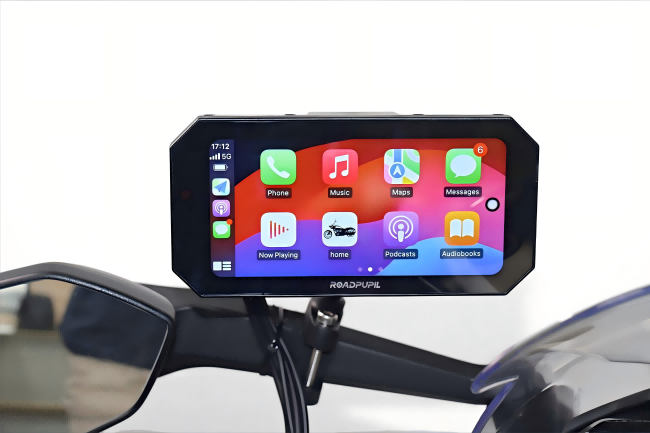
The risk in lane splitting is not the speed, it is the unpredictability. A driver who drifts without signaling, or throws a door or a shoulder into the gap, can turn a legal maneuver into a crash in half a second. The R9 Pro on the bars captures the lane, the cars, and the gap in stable 4K, so when something goes wrong you have the whole sequence, not a guess.
Footage also settles the arguments that never used to have answers. Was the lane wide enough? Did the car change lanes into you? A dated, located clip shows the gap, the speed, and the moment of contact, which is exactly what an officer or an insurer needs to see your side first.
Capture the Close Pass
- Mount the R9 Pro at bar height aimed a few degrees down the lane so both adjacent cars stay in frame.
- Keep GPS and the timestamp on; a close-pass report is far stronger when it carries speed and location.
- Use the R7 or R9 if you want 4K on a tighter budget, and add a rear C7 so a tailgater blocking the lane behind you is also on film.
- Lock the clip the instant a driver crowds you; do not wait until you are home and the loop has overwritten it.
Document the Illegal Block
Some drivers take offense at splitting and deliberately drift to close the gap, block the lane, or brake-check in the sliver of road you are using. The R9 Pro's stable front view records the car's position relative to the lane lines, which is the difference between 'he cut me off' and proof he did.
Pair the camera with a RoadPupil blind-spot radar like the BSD5 and you get both the visual record and the radar alert, so you see the threat forming and you capture it happening. Two signals, one story.
Stay Legal, Stay Clean
A camera protects you only if the footage reads as responsible riding. Keep your speed proportional to the traffic you are passing, signal your line, and let the clip show control rather than recklessness. Insurers and officers read tone as fast as they read pixels.
Review your own splits every few weeks. You will spot habits, a late head check, a tight gap, that the camera caught better than any instructor could. The goal is safer splitting, plus the evidence that proves it when needed.

Gear That Keeps Rolling
The R9 Pro leads for lane splitting because its stable 4K and precise GPS mark exactly where in the lane you were, while the C7 on the rear covers the car closing from behind and the R7 keeps the front covered on a budget.
A snug mount and a charged battery are the only real prep. The best splitting clip is the one already rolling as you enter the gap, not the one you fumble for when a car swerves.
Frequently Asked Questions
Q: Can a RoadPupil dash cam help with lane splitting?
Yes. A bar-mounted R9 Pro captures the lane, the adjacent cars, and your line in stable 4K with GPS, so a close pass or an illegal block is on record with speed and location the moment it happens.
Q: Which RoadPupil model is best for filtering traffic?
The R9 Pro on the front and a C7 on the rear cover both directions of the gap, while the R7 is the budget pick for riders who still want 4K proof of every close pass.
Q: Should I record audio while lane splitting?
Keep audio on if your local rules allow it; a horn, a shout, or a screech adds context. Just follow the same privacy care you would for any rider footage before you share it.
Related RoadPupil Guides
- Motorcycle Lane Splitting Safety Tech And Technique
- Motorcycle Dash Cam Road Rage Safely Capture Aggressive Drivers
- Motorcycle Blind Spot Radar Detection Ride With Eyes Behind You
- Why Every Rider Needs A Motorcycle Dashcam
Key Takeaways for Motorcycle Dash Cam For Lane Splitting
If you remember nothing else about motorcycle dash cam for lane splitting, remember this: the best camera is the one that is charged, mounted securely, and actually recording when something happens. All the resolution in the world is worthless if the lens is fogged or the card is full. Build a 60-second pre-ride habit around the R9 Pro, R7, C7 gear you own, and the footage will be there the day you need it.
Start with power. A supercapacitor model shrugs off summer heat that would swell a lithium battery, while a proper hardwire kit unlocks parking-mode protection without draining your bike's battery on a long stay. Then lock in storage: a U3 microSD card of the right size, formatted monthly, prevents the silent corruption that turns a crucial clip into garbage. Finally, pair the camera with the RoadPupil app at home so Wi-Fi and firmware are sorted before you ever leave the garage.
Treat motorcycle dash cam for lane splitting as routine maintenance, not a one-time setup. Riders who review a clip every few weeks notice failing mounts, drifting aim, or weak audio long before those small issues cost them evidence. The goal is not a perfect rig — it is a reliable one that captures the moment without you thinking about it.