Front and Rear Motorcycle Dash Cam: Why You Need Both for Maximum Safety
Learn the pros and cons of front and rear motorcycle dash cams. Discover how they enhance safety, capture full coverage, and help you choose the best for your ride.
As a motorcyclist, your safety is paramount. Whether navigating busy traffic or enjoying a peaceful ride, a motorcycle dashcam provides an extra layer of security. While many riders opt for a front-facing camera, adding a rear-facing camera as well significantly improves safety by offering full coverage. In this article, we'll break down the pros and cons of front and rear motorcycle dash cams and help you decide if they’re right for you.
Why Choose Front and Rear Motorcycle Dash Cams?
Riding a motorcycle exposes you to unique risks. Unlike cars, motorcycles offer no external protection, leaving you vulnerable in case of accidents. A dashcam motorcycle adds protection by capturing footage of both your surroundings and potential hazards. When you use a camera on motorbike for both front and rear views, you ensure a comprehensive record of your ride, protecting you in case of accidents or disputes.
Adding a 360 camera for motorcycle takes this coverage even further, ensuring you don’t miss any details. This all-around visibility is especially beneficial when riding through densely populated areas or on busy highways.

The Pros of Front and Rear Motorcycle Dash Cams
1. Comprehensive Coverage and Enhanced Safety
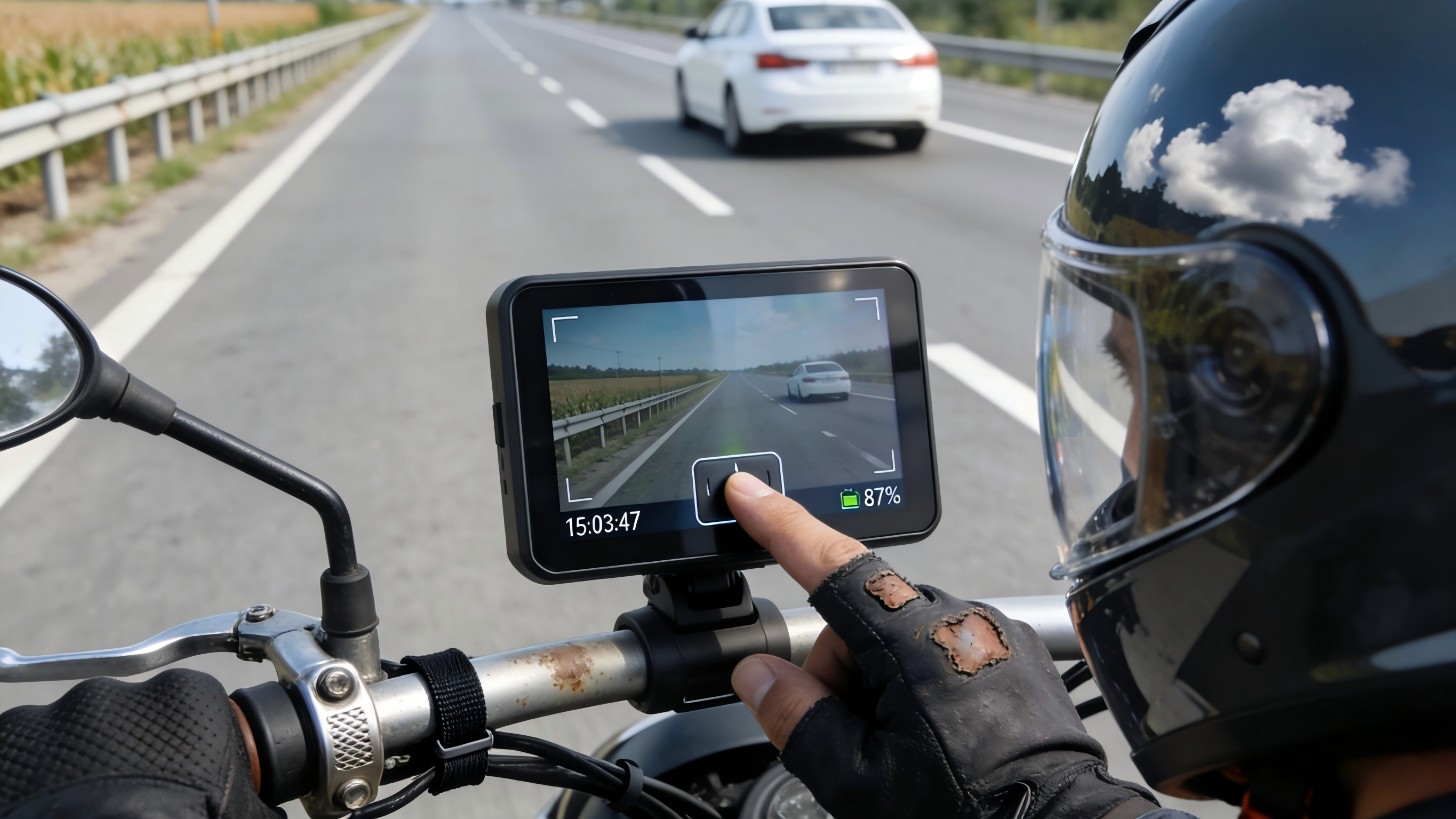
One of the biggest advantages of installing both front and rear cameras is the full coverage they provide. The front camera captures everything ahead, while the rear camera records potential threats from behind. This dual coverage ensures that no event—whether a near-miss or an accident—goes unrecorded.
A biker dash cam with front and rear capabilities helps reduce blind spots, giving you a clear view of your surroundings. When an incident happens, having both perspectives makes it easier to determine the cause of the accident and provide undeniable proof in case of disputes.
2. Documenting Your Ride and Scenic Views
Front and rear dash cams aren't just for accidents—they're also great for recording your rides. Whether you're cruising through scenic landscapes or navigating busy city streets, the best camera for motorcycle systems will capture every moment of your journey.
Using both cameras gives you an immersive view of your ride, allowing you to relive your adventure from multiple angles. These videos can be used for personal enjoyment or shared with fellow riders.

3. Improved Evidence Collection for Accidents
Accidents happen, and when they do, having both front and rear footage can make a significant difference. The camera for motorcycle recording the front and rear offers clear evidence of what transpired, whether it’s a collision, near-miss, or an encounter with another vehicle.
In the unfortunate event of an accident, video footage is the most reliable evidence you can have. Insurance claims, police reports, and even court cases can be supported by these recordings, protecting you from fraudulent claims and ensuring that justice is served.
The Cons of Front and Rear Motorcycle Dash Cams
1. Installation Complexity
Installing a motorcycle dashcam with both front and rear cameras is more complex than a single front-facing camera. You’ll need to mount the rear camera in a position that captures clear footage while ensuring that both cameras are securely connected to your motorcycle. The camera motorcycle mount screw in method is commonly used, but mounting both cameras correctly can be time-consuming.
Additionally, the wiring and power sources for two cameras might require more effort than a single camera system. Depending on the setup, you may need to route wires through your bike’s frame, which can take a bit of technical skill.

2. Power Consumption and Battery Life
When operating two cameras simultaneously, your motorcycle's power system may face additional strain. If you’re using a wireless carplay head unit or additional features, make sure your bike's battery can handle the increased load. Some models offer best wireless carplay touchscreen options that integrate with your dash cam system, reducing the need for extra wires and power sources, but they may still draw power from your bike’s electrical system.
3. Higher Costs
A front and rear dash cam system will typically be more expensive than a single front-facing camera. However, the extra cost is justified when considering the additional protection and enhanced coverage. When purchasing a best wireless carplay compatible dash cam, you are also investing in better technology and features like touchscreen integration and wireless connectivity.
How to Choose the Best Front and Rear Motorcycle Dash Cam for You
1. Video Quality Matters
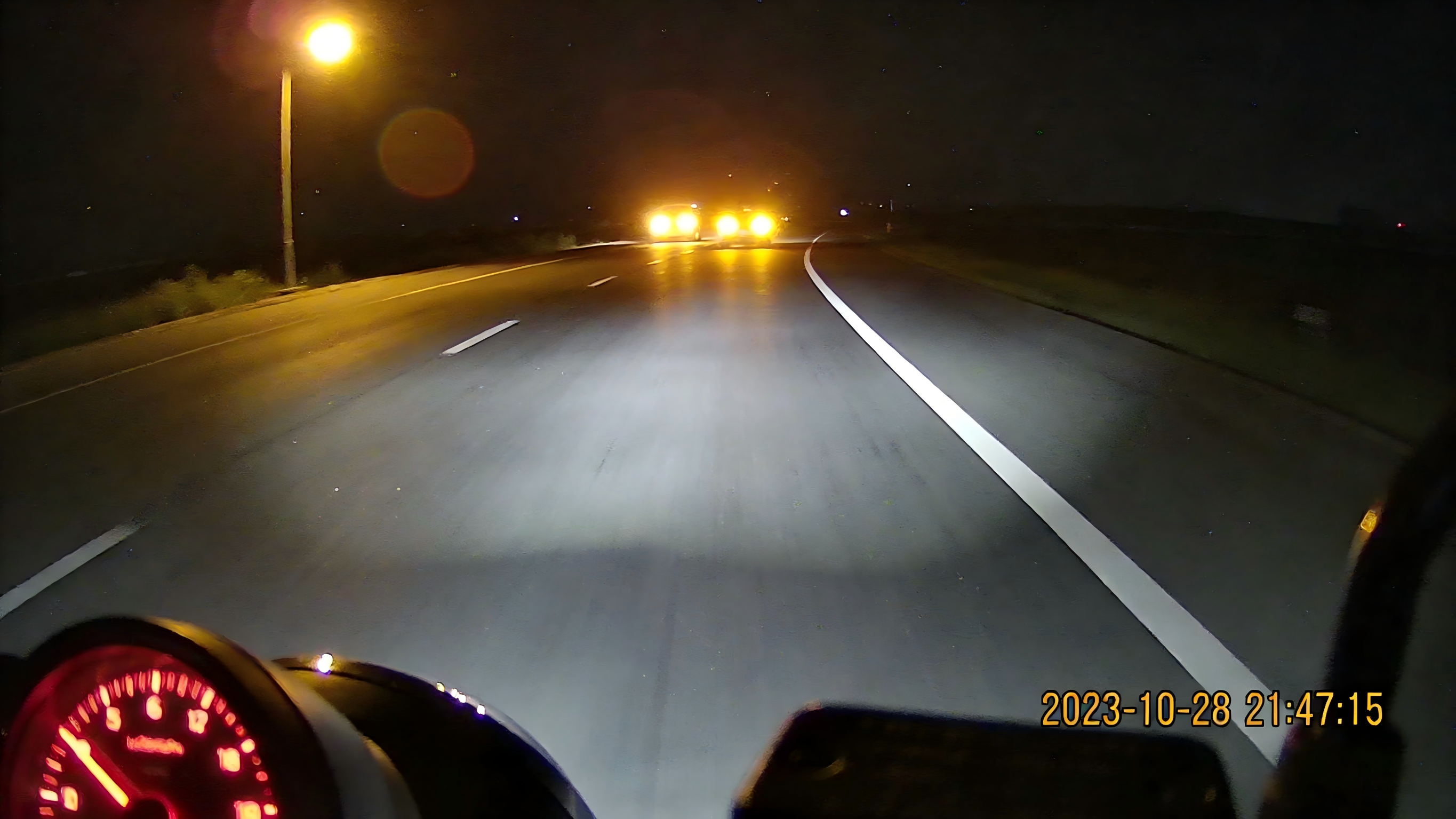
The quality of the video footage is crucial, especially if you need it as evidence. Look for a best camera for motorcycle system that records in at least 1080p or 4K resolution. These high-definition cameras capture fine details like license plates and road signs, which are essential for accident claims. Night vision is also an important feature to consider, as it ensures you can capture clear footage even in low-light conditions.
2. Durability and Weather Resistance
Motorcycles are exposed to the elements, so it’s important to choose a dash cam that can withstand rain, dust, and extreme temperatures. Ensure that the camera system is weatherproof and built to handle harsh riding conditions.
3. Wireless Convenience
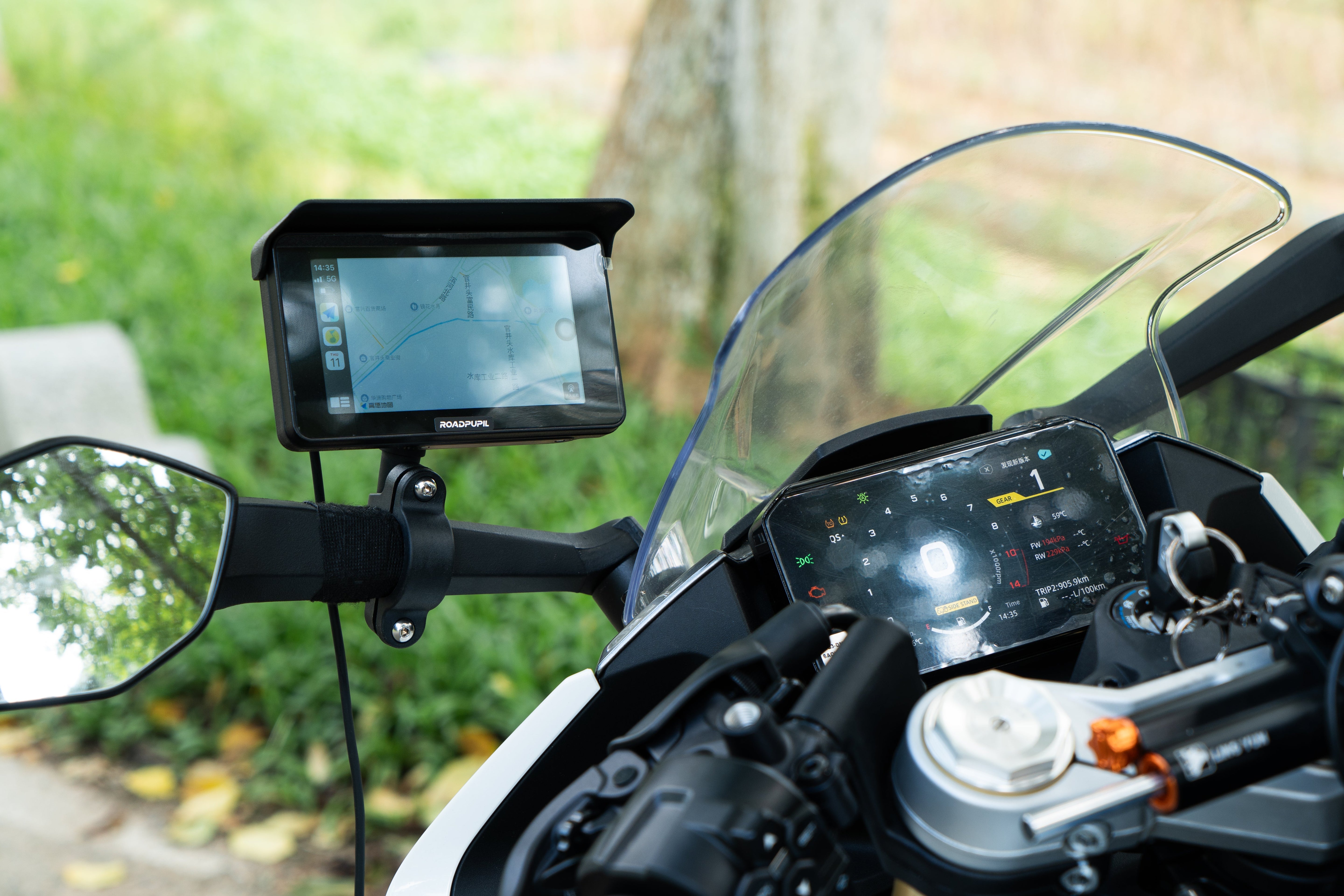
Wireless connectivity is a great feature to look for in a motorcycle dashcam. A wireless carplay head unit can integrate with your dash cam to allow for easy access to video footage, right on your bike’s screen. This feature offers greater convenience, especially for checking footage while riding or reviewing it after the ride.

Conclusion: Is a Front and Rear Motorcycle Dash Cam Worth It?
A motorcycle dashcam is an essential tool for enhancing safety and documenting your rides. Adding both front and rear cameras to your system gives you full coverage, ensuring that you capture all angles of your journey. This extra protection helps in case of accidents, and the ability to record scenic rides adds a fun element to your motorcycling experience.
While the installation might be a bit more involved, and the cost higher, the advantages of having both front and rear dash cams are undeniable. If you're looking for a reliable and easy-to-use system, consider checking out RoadPupil’s best camera for motorcycle selection, which provides top-tier features, including wireless integration and high-quality video recording.
Get in Touch!
Questions? Want to order or check out more gear? Hit us up:
📧 hello@roadpupil.com
📱 Instagram: @roadpupil_official
🛒 Shop: roadpupil.com
Keep Riding Smarter

Written by roadpupil