Battery vs Supercapacitor: Which Biker Dash Cam Lasts Longer?
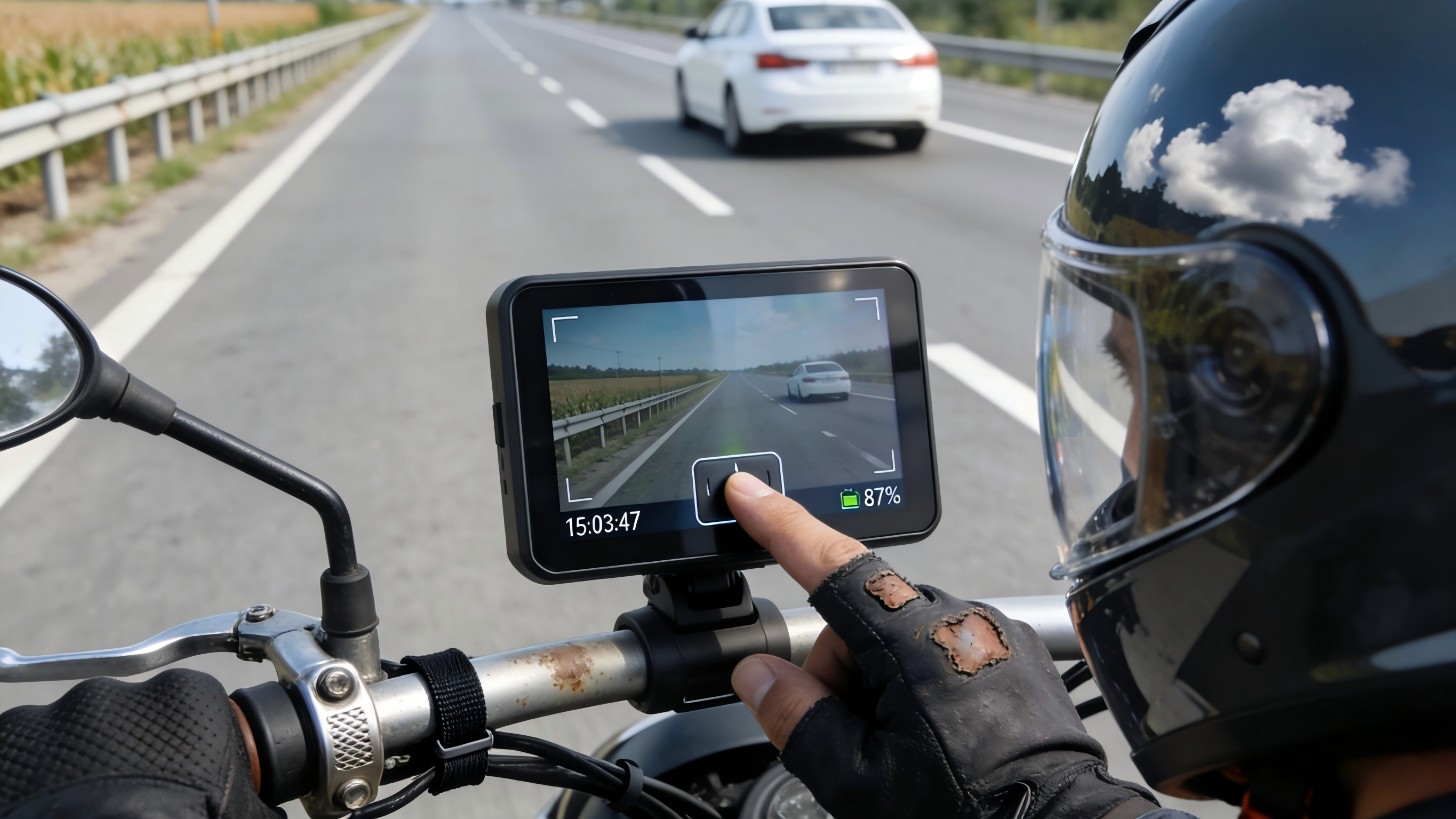
When choosing a recording system for your motorcycle, power source matters more than most riders expect. A biker dash cam is exposed to heat, vibration, and constant on-road stress, unlike any car-mounted device. In the first 100 miles—or the first heatwave—your biker dash cam may already show the difference between battery-powered and supercapacitor-based designs. Understanding how these two power systems perform in real riding conditions can help you avoid early failures and choose a setup that truly lasts.
This guide breaks down battery vs supercapacitor motorcycle dash cams from a rider’s perspective, focusing on durability, safety, and long-term reliability—so you can confidently select a system built for real-world use.
Why Power Source Matters in a Biker Dash Cam
A biker dash cam is not just a camera—it is an always-on electronic device operating in one of the harshest consumer environments. Mounted directly to the frame or fairing, a camera on motorbike experiences continuous vibration, frequent temperature swings, and long exposure to sunlight.
According to industry reliability testing, lithium batteries can lose up to 20–30% of their capacity after prolonged exposure to temperatures above 60°C (140°F). On a parked motorcycle under direct sun, surface temperatures can easily exceed that range. This is why power choice plays a critical role in determining whether your dash cam survives one riding season or many.
Battery-Powered Dash Cams on a Camera Motorbike Setup
Battery-powered dash cams are common because they are easy to design and familiar to consumers. Many action cameras and entry-level systems rely on lithium batteries, especially those designed to be removable or wearable.
For a camera motorbike setup, batteries offer short-term convenience:
-
They allow brief recording without external power
-
Installation is simple and flexible
-
They are widely available in helmet cam designs
However, batteries struggle in sustained motorcycle use. Heat accelerates chemical aging, vibration increases internal stress, and repeated charge cycles shorten lifespan. Riders often report sudden shutdowns, swollen batteries, or total failure after one or two hot summers.
This is why battery-based systems are more suitable for occasional recording rather than continuous riding protection.
Supercapacitor Dash Cams: Built for Motorcycle Conditions
Supercapacitors store energy differently from batteries. Instead of relying on chemical reactions, they use electrostatic charge, making them far more resistant to heat and vibration.
For a biker dash cam, this brings clear advantages:
-
Operating temperatures often exceed 85°C (185°F)
-
Extremely long charge-discharge life cycles
-
Improved safety with no risk of swelling or leakage
Supercapacitors are designed to provide enough power for safe shutdown and file saving when ignition cuts off, rather than extended off-bike recording. This design aligns perfectly with how motorcycles are used in daily riding.
Many premium and professional systems—including those favored among the best cameras for motorbikes—now rely on supercapacitors to ensure long-term reliability.

Vibration, Heat, and Mounting: The Hidden Power Killers
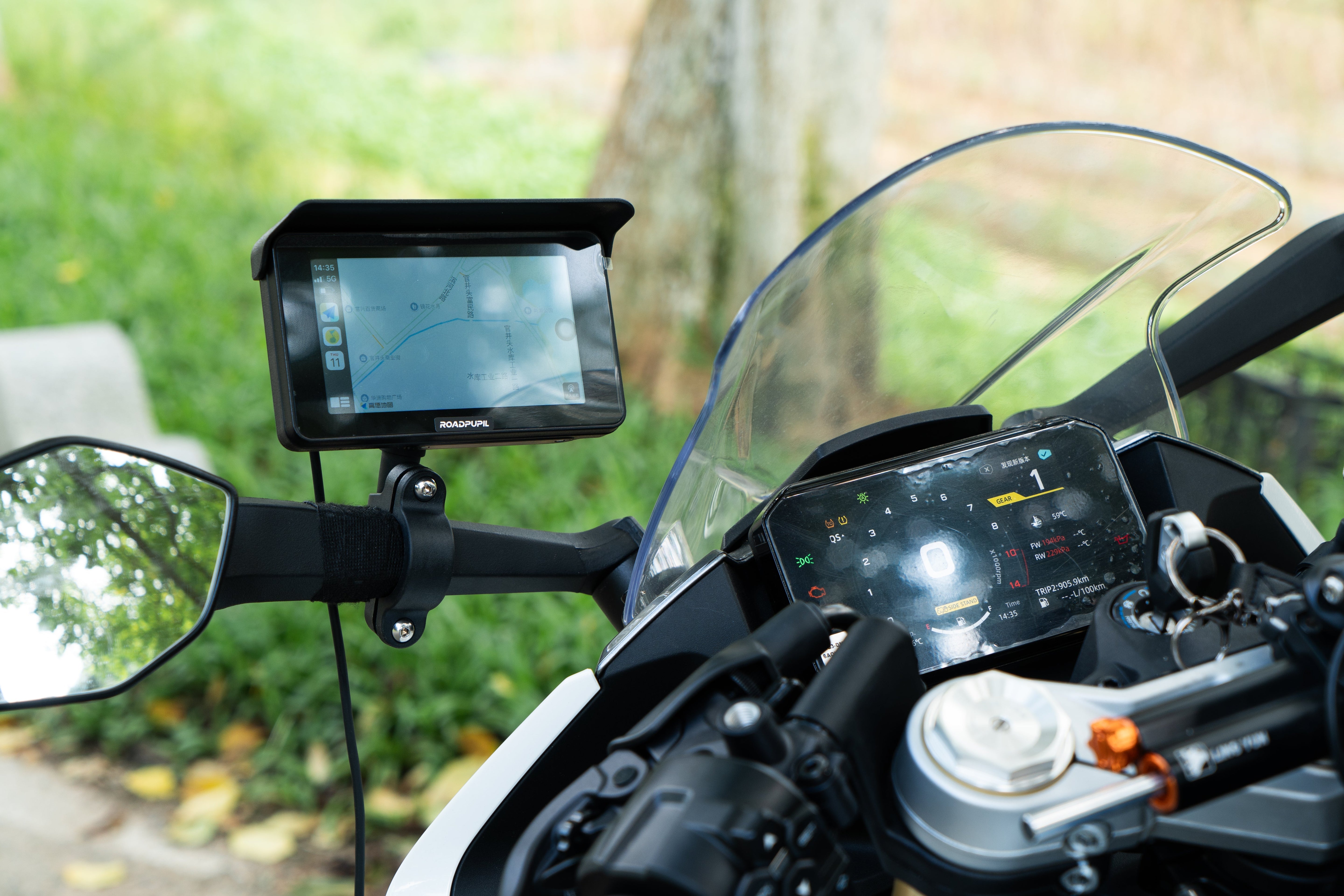
Power systems don’t fail in isolation—mounting and vibration amplify weaknesses. The camera motorcycle mount screw in area is one of the most overlooked contributors to early failure.
When a dash cam is rigidly mounted without proper damping:
-
Micro-vibrations stress battery cells
-
Electrical contacts loosen over time
-
Heat dissipation becomes uneven
Supercapacitors handle these stresses far better than batteries. Combined with reinforced mounts and weather-resistant housing, they create a system designed for longevity. This is especially important for riders who log thousands of miles per year.
Battery vs Supercapacitor for 360 Camera for Motorcycle Systems
A 360 camera for motorcycle use introduces higher power demands due to multiple lenses and continuous processing. These systems require stable voltage and reliable startup every time the engine turns on.
Battery-based solutions often struggle to meet these demands consistently. Supercapacitor-supported systems, on the other hand, integrate seamlessly with motorcycle power supplies, ensuring stable performance even during frequent starts and stops.
For riders interested in full situational awareness and long-term recording reliability, power stability becomes a decisive factor.

Helmet Cam vs Bike-Mounted Dash Cam: Power Differences
A helmet cam almost always uses a battery. This makes sense for portability, but it also limits runtime and long-term durability. In contrast, bike-mounted dash cams draw continuous power from the motorcycle, making them ideal for supercapacitor designs.
Helmet cameras work well for short rides or supplemental footage, but for riders seeking consistent documentation and protection, a hardwired biker dash cam offers greater reliability and less daily maintenance.
Choosing the Best Camera for Motorcycle Riding
The best camera for motorcycle riding is not defined by resolution alone. Power design, heat tolerance, and vibration resistance matter just as much—if not more.
When comparing systems:
-
Battery-based cameras favor flexibility
-
Supercapacitor systems favor longevity
-
Professional riders prioritize reliability over convenience
This is why many experienced riders now view supercapacitor-powered dash cams as the smarter long-term investment, especially for commuting, touring, and year-round use.

Why RoadPupil Focuses on Motorcycle-Specific Power Design
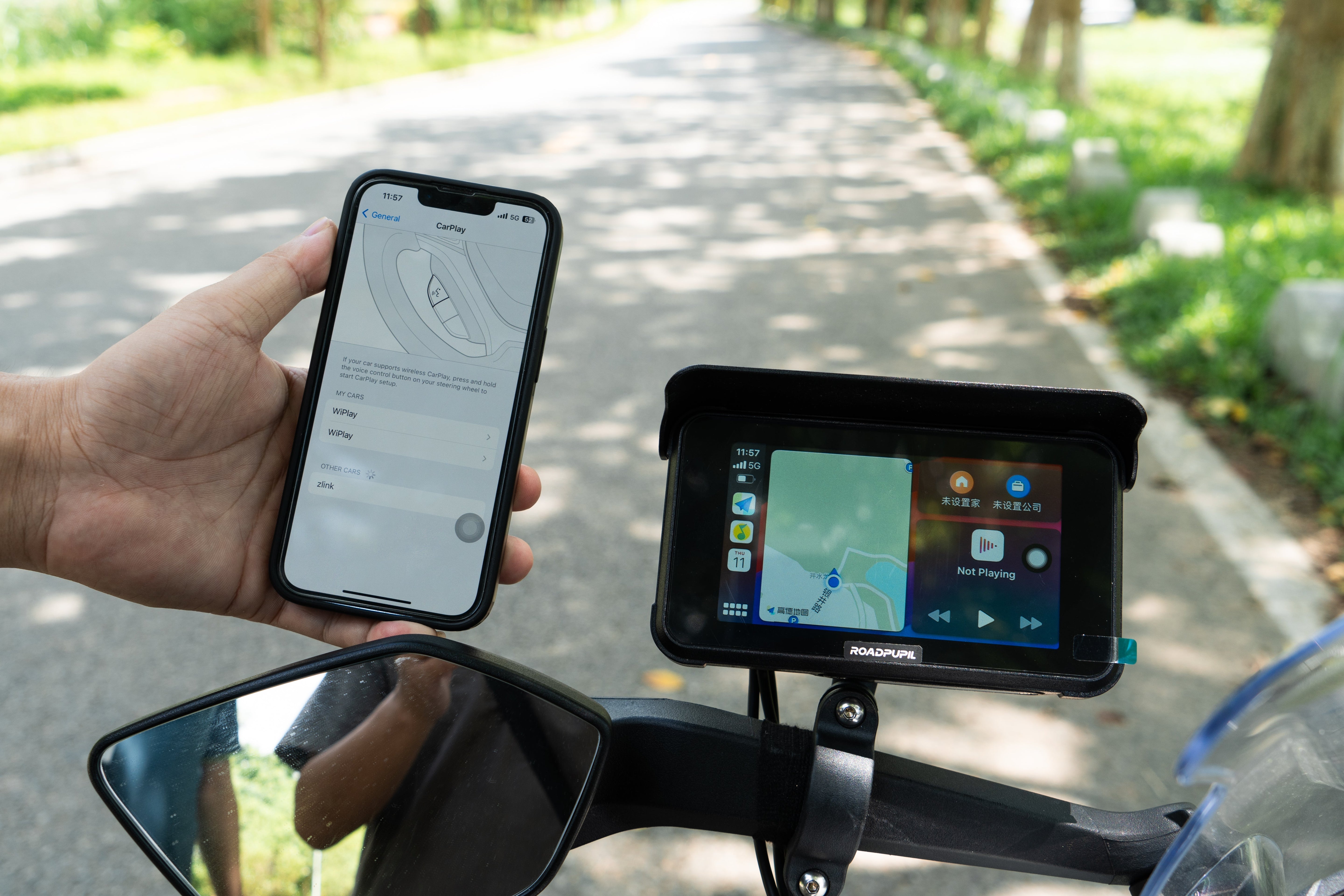
RoadPupil designs its systems around real riding conditions, not lab assumptions. By prioritizing heat resistance, vibration tolerance, and long-term stability, RoadPupil products align with what riders actually need from a biker dash cam.
Rather than adapting car or action cameras, RoadPupil focuses on purpose-built solutions that integrate seamlessly with motorcycle power systems—helping riders stay protected mile after mile.
Final Verdict: Battery or Supercapacitor for a Biker Dash Cam?
When all factors are considered, a supercapacitor-based biker dash cam is better suited for long-term motorcycle use. Batteries may offer short-term convenience, but supercapacitors deliver the durability, safety, and reliability that serious riders demand. Choosing the right biker dash cam power system means fewer failures, clearer footage, and greater peace of mind every time you ride.
Get in Touch!
Questions? Want to order or check out more gear? Hit us up:
📧 hello@roadpupil.com
📱 Instagram: @roadpupil_official
🛒 Shop: roadpupil.com
Keep Riding Smarter

Written by roadpupil