Helmet Cam + Motorcycle Dashcam: My Ultimate Setup with RoadPupil
Motorcycle riders often ask whether a helmet cam alone is enough — or if a motorcycle dash cam is still worth installing.
After riding with both setups separately (and missing footage more than once), I ended up running a helmet cam + motorcycle dashcam combo on every ride.
I’m Zoe from the RoadPupil team, and in this post I’ll show you my real-world setup — how I use a helmet camera together with a front-and-rear motorcycle dash cam, and why this combination has become my go-to for everyday riding.

What’s This Helmet Cam + Motorcycle Dashcam Setup?
Instead of choosing between a helmet camera or a motorcycle dashcam, I use both — because they capture very different parts of the ride.
Here’s what my current setup includes:
-
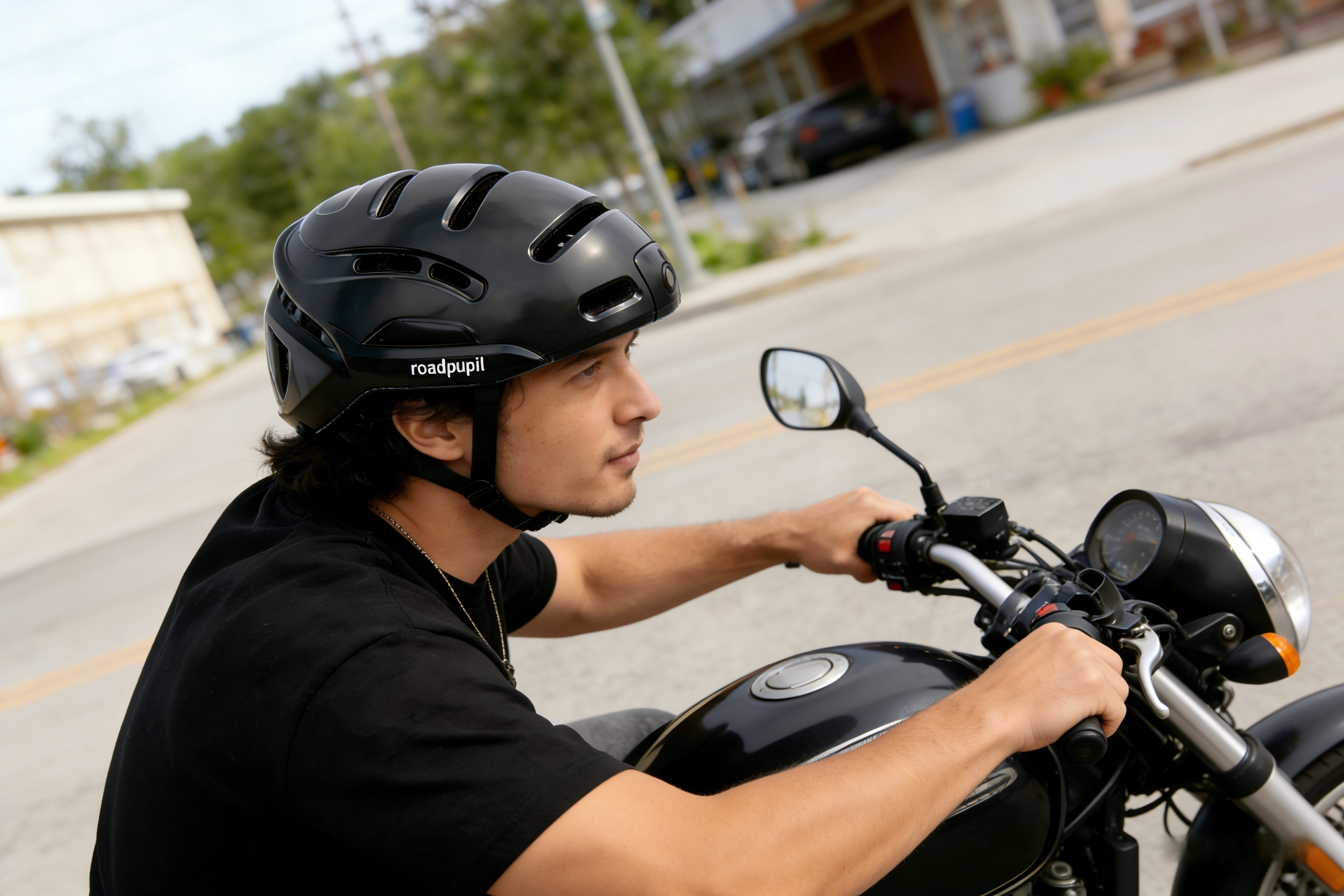
A high-resolution helmet cam for first-person footage (great for daily rides, near-miss records, and casual vlogging).
-
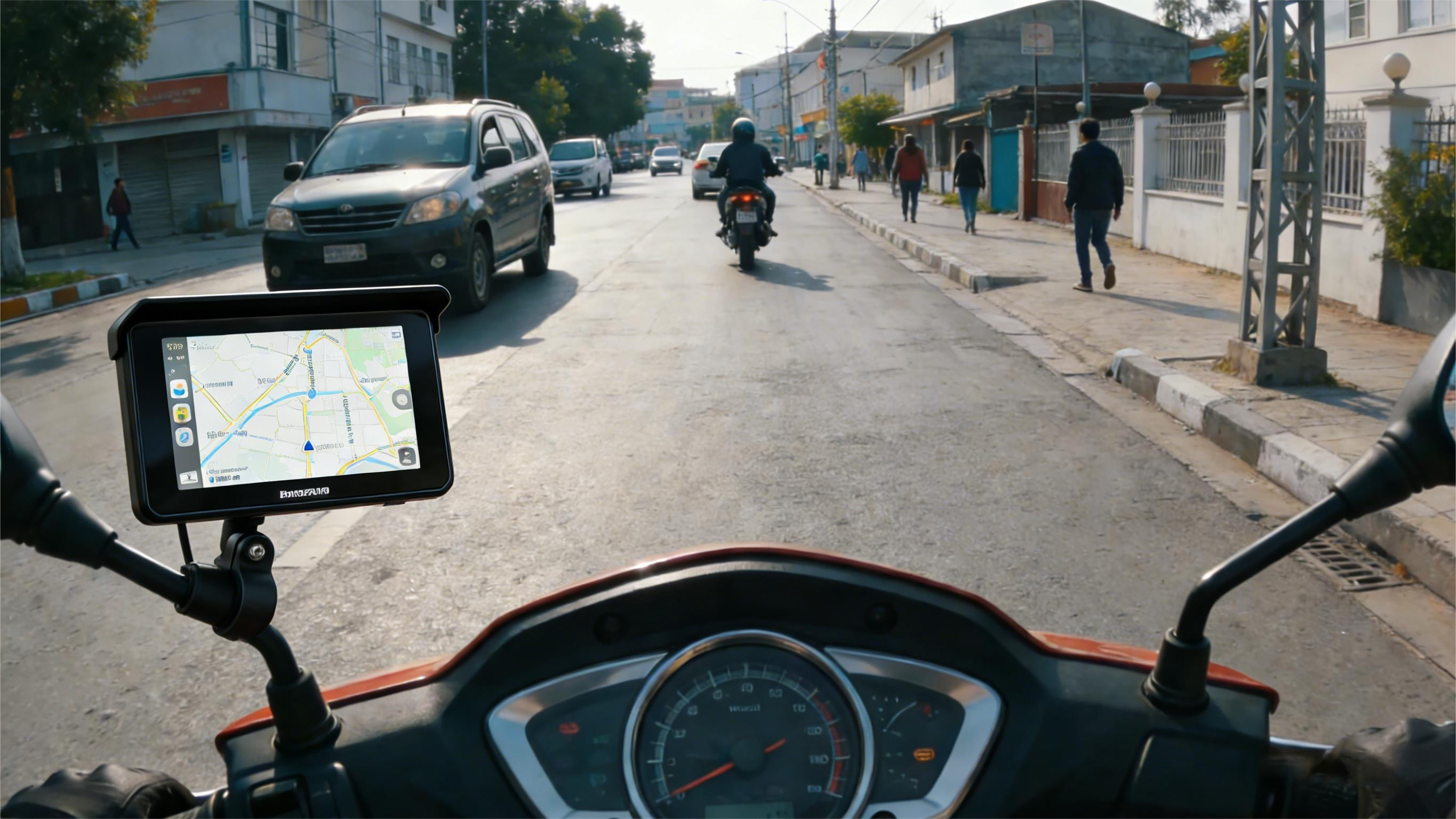
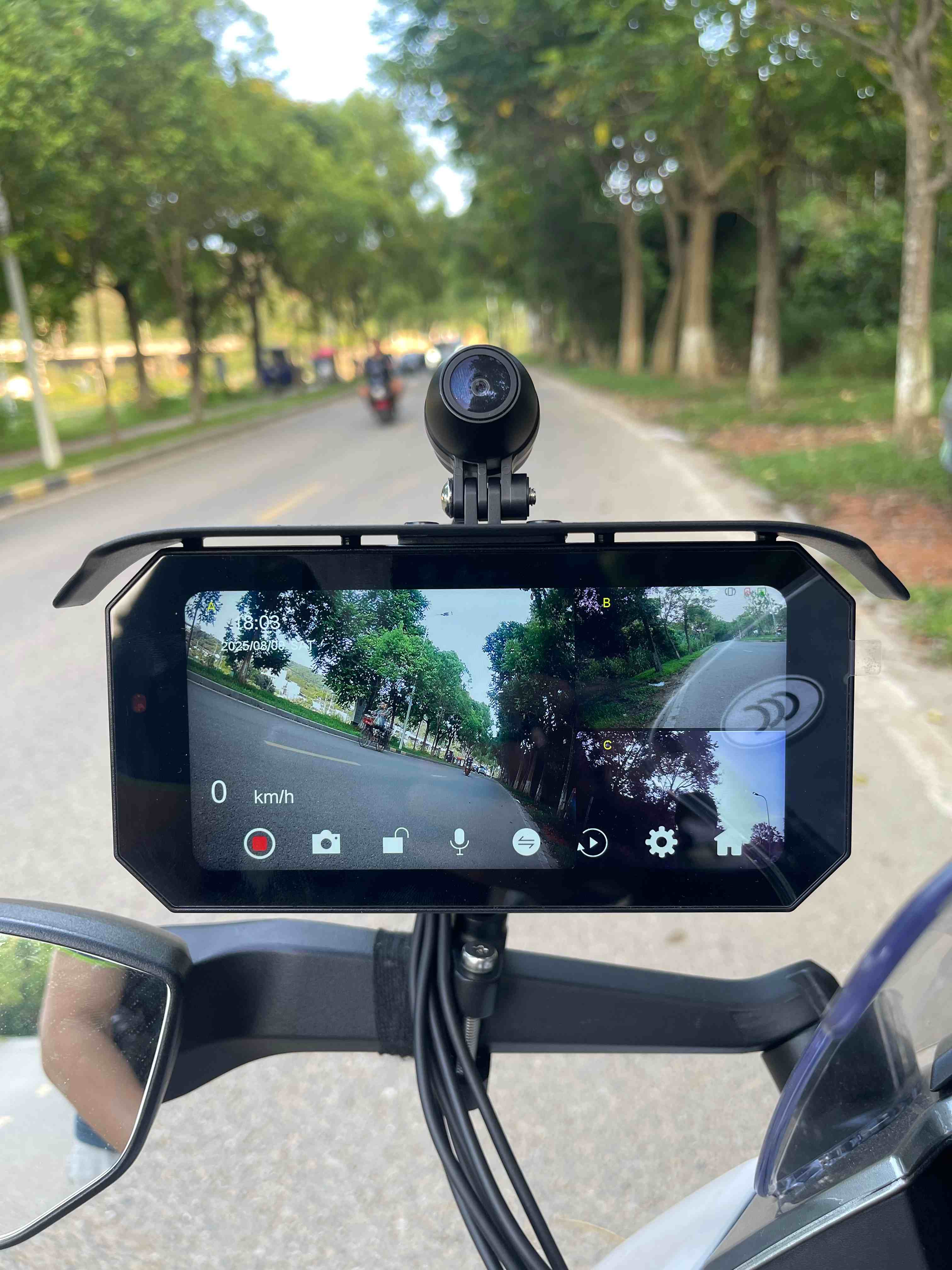
A dual-lens motorcycle dashcam mounted on the bike, covering both front and rear traffic.
-
A screw-in motorcycle camera mount kit, so nothing shifts or flies off at highway speeds.
Together, this helmet-and-bike camera setup gives full ride coverage — what I saw, and what actually happened around the motorcycle.

RoadPupil gear is designed specifically for motorcycles — not adapted from car cameras.
What I personally care about is simple installation, stable mounting, and known reliability in real riding conditions. That’s why this setup works well even if you’re new to motorcycle mods.
🏁 Who Are We? A Quick RoadPupil Intro
RoadPupil is made by riders, for riders. Our factory's been in the game for 20 years, creating tech specifically for motorbikes — not cars, not scooters, just bikes. We ride daily and test all our stuff in real conditions.
That’s why every camera motorbike solution we offer is built to last and easy to install, even if you're new to mods.
What Comes in the Box?
Here’s what’s included in my helmet cam and motorcycle dashcam kit:
| Item | What It’s Used For |
|---|---|
| Helmet Camera | First-person ride recording with a lightweight, weather-ready design |
| Dashcam (Front & Rear) | Continuous front and rear road coverage with night support |
| Mounting Kit | Screw-in motorcycle mounts for stable, vibration-resistant installation |
| Cables & Power Adapter | Easy wiring routed under the seat |
| Instruction Manual | Clear, beginner-friendly setup guide |
Unboxing + Accessory Highlights
When I first opened the box, everything felt purpose-built for riding.
The helmet camera is compact and easy to forget once mounted. The dash cams feel solid and well-sealed, and the screw-in mounting system is noticeably more stable than adhesive or suction mounts — especially on rough roads.

Installing the Setup — Easier Than It Looks
I’m not especially technical, and the full install took me about 30 minutes.
Helmet Cam Setup:
-
Mounts on the top or side of the helmet
-
Screw-in design keeps it secure
-
Powered by a small power bank or internal battery
Motorcycle Dashcam Setup:
-
Front camera mounted under the headlight
-
Rear camera placed near the license plate
-
Wiring routed cleanly under the seat with zip ties

This kind of layout follows the same principles explained in how a proper motorcycle dash cam setup works 👈
Real Ride Review — Is It Worth Using Both?
After riding with this setup for a while, the benefit is clear.
-
Helmet cam footage shows exactly what I was looking at
-
Front and rear dash cams provide objective road context
-
Footage stays consistent even at night
-
Everything remains stable on bumpy roads
Having both angles has been especially useful for reviewing close calls and unexpected situations, without relying on memory alone.
Some riders ask whether a smart helmet can replace this kind of setup. In practice, helmet-integrated systems and external cameras serve different purposes.
If you’re curious about that difference, this breakdown of what a motorcycle smart helmet actually does explains it clearly.

This helmet cam + motorcycle dashcam combination isn’t just for content creation.
It’s for riders who want reliable footage, better awareness of what’s happening around their bike, and a setup that works quietly in the background while they focus on riding.
Keep Riding Smarter

Written by roadpupil