Motorcycle Smart Helmet: What It Is and Whether You Really Need One in 2026
Motorcycle riding is still about freedom—but the way we ride today comes with more distractions than it used to—navigation, phone calls, music, and the growing need to record what actually happens on the road. While specific smart helmets may no longer be available, these insights still apply to modern modular setups.
This article was originally inspired by a specific smart helmet product that is no longer available. The content has been updated to reflect the broader category and current market reality.
For years, riders have tried to solve this with phone mounts, Bluetooth headsets, and action cameras strapped onto helmets. It works… until it doesn’t. Screens are hard to see in sunlight, cables get loose, batteries die, and suddenly your “simple setup” becomes a mess.
That’s exactly why the motorcycle smart helmet exists—and why more riders are starting to pay attention to it.
What Is a Motorcycle Smart Helmet?

A motorcycle smart helmet is a riding helmet that integrates digital features directly into the helmet itself. Instead of relying on external devices, smart helmets aim to combine protection, connectivity, and awareness into a single system.
Depending on the model, a smart helmet may include built-in communication, audio guidance, camera integration, or app-based controls. The idea isn’t more technology—it’s fewer moments of distraction while riding by keeping essential information accessible without constantly reaching for a phone.
At its core, a motorcycle smart helmet is designed to make essential riding information easier to access—without constantly reaching for a phone.
Key Features of a Motorcycle Smart Helmet
Not all smart helmets are the same, but most focus on a few core functions.
Built-in Camera or Helmet Cam Integration
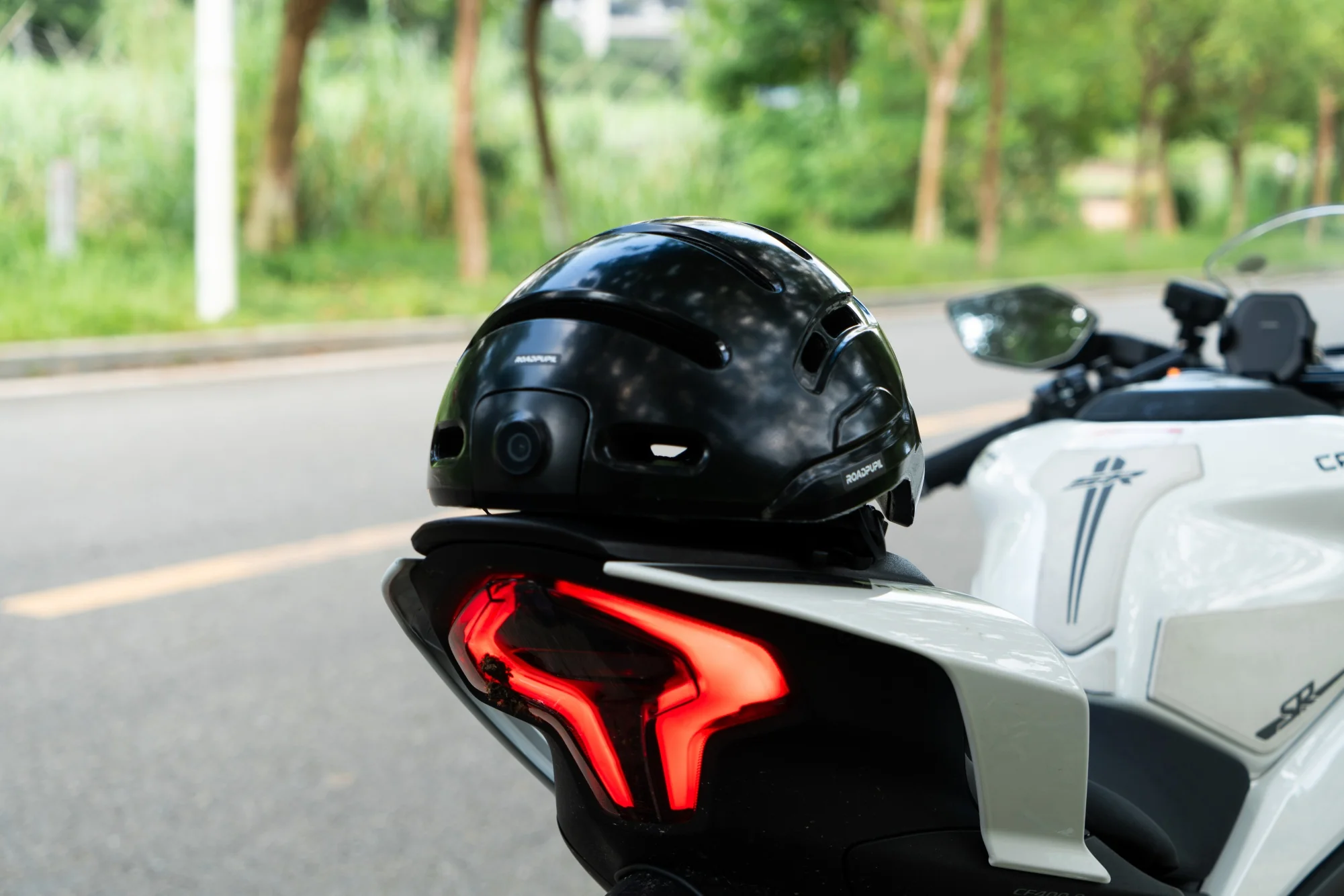
Many motorcycle smart helmets include a built-in camera or support helmet-mounted recording systems. This allows riders to document rides, capture incidents, or collect evidence in case of accidents—without mounting an extra action camera every time they ride.
For riders who prioritize safety and accountability, recording is often one of the most valuable “smart” features.
In real-world riding, continuous recording matters more than image quality alone. Clear, uninterrupted footage can help clarify what happened during traffic incidents, insurance claims, or unexpected road disputes.

Bluetooth Communication and Audio
Smart helmets typically offer Bluetooth connectivity for calls, music, and navigation prompts. Voice guidance means riders don’t need to look down at a screen, helping reduce distraction during traffic-heavy or unfamiliar routes.
For many riders, voice guidance is the real advantage—it reduces the need to glance at a phone or dashboard, helping keep attention where it belongs: on the road.
Navigation and Smart Display Options
Some motorcycle smart helmets use internal displays, while others rely on mobile apps or external screens to deliver navigation and alerts. The idea is the same: keep critical riding information within easy awareness, rather than forcing riders to glance at their phones.
Compared to traditional phone mounts, smart displays are designed to keep navigation within a rider’s natural field of view, which can feel safer and more intuitive during busy urban rides.
Safety Alerts and Smart Assistance
Advanced models may offer features like incoming call alerts, voice control, or simple riding notifications. While not a replacement for rider awareness, these tools aim to support safer decision-making on the road.
While these features don’t replace rider awareness, they can support better decision-making by delivering timely information without overwhelming the rider.
Motorcycle Smart Helmet vs Traditional Helmet: What’s the Real Difference?
A traditional helmet focuses on one job: protection. A motorcycle smart helmet builds on that by adding convenience and connectivity.
What really separates the two is how riders receive information while moving. Instead of juggling multiple devices, smart helmets centralize functions into one system. For some riders, that simplicity is worth the upgrade. For others, especially those who prefer flexibility, a modular setup can feel more practical.
The difference often comes down to information flow. Smart helmets aim to centralize essential functions, while traditional helmets rely on external devices that riders must manage separately.
Who Should Consider a Motorcycle Smart Helmet?
A motorcycle smart helmet makes the most sense for certain riding styles:
-
Daily commuters who rely on navigation and calls
-
Touring riders who spend long hours on unfamiliar roads
-
Safety-focused riders who want continuous ride recording
-
Moto vloggers or content creators who want built-in capture
Riders who frequently combine navigation, communication, and ride recording tend to feel the biggest benefit, especially when convenience matters more than customization.
If your rides regularly involve navigation, communication, or documentation, a smart helmet can reduce the number of devices you need to manage.
Common Concerns Before Buying a Motorcycle Smart Helmet
Before committing to a motorcycle smart helmet, most riders ask the same questions.
Is it legal to use a smart helmet?
Do smart helmets feel heavier than standard helmets?
What happens when the battery runs out?
Are smart helmets really worth the price?
These concerns are valid. Smart helmets can be more expensive, and not every rider wants electronics permanently built into their helmet. Laws also vary by region, especially when it comes to helmet-mounted cameras or audio use. If recording laws are a concern, helmet-mounted cameras can be treated differently depending on the region — something we break down in our guide to helmet cam laws in Europe and the U.S.
These concerns make sense. Adding electronics to a piece of safety gear naturally raises questions about comfort, reliability, and long-term use, which means riders must balance convenience with factors like battery dependence, long-term comfort, and regional regulations.
Potential Limitations of Motorcycle Smart Helmets
Despite their advantages, motorcycle smart helmets aren’t perfect. Integrated electronics can increase cost and weight, and built-in systems may become outdated faster than external devices. For some riders, committing to a single helmet platform feels restrictive—especially when helmet fit, comfort, and certification are personal priorities.
Is a Motorcycle Smart Helmet the Only Smart Riding Solution?

Not necessarily.
For many riders today, instead of committing to a fully integrated smart helmet, a modular setup often provides better flexibility and long-term value.
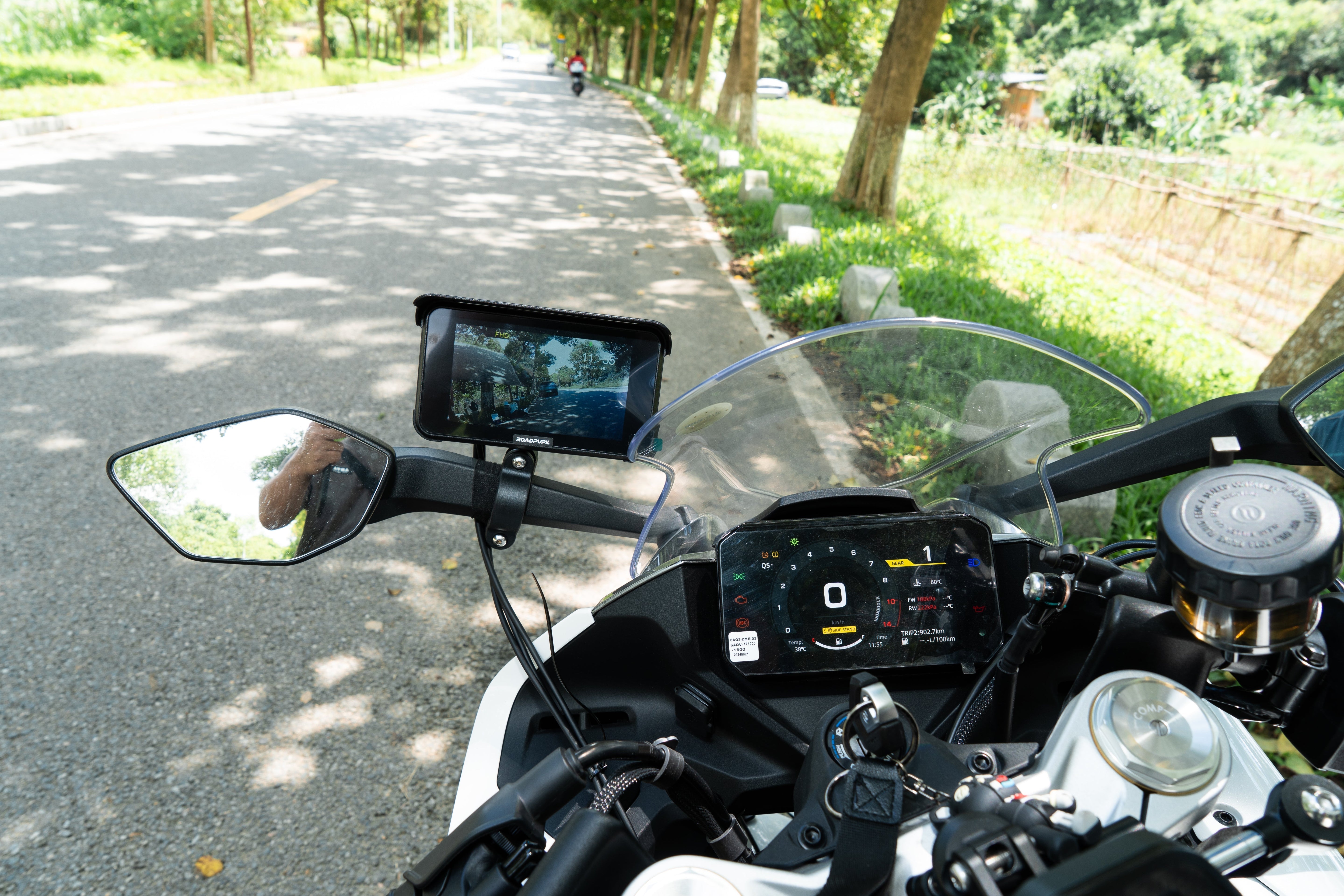
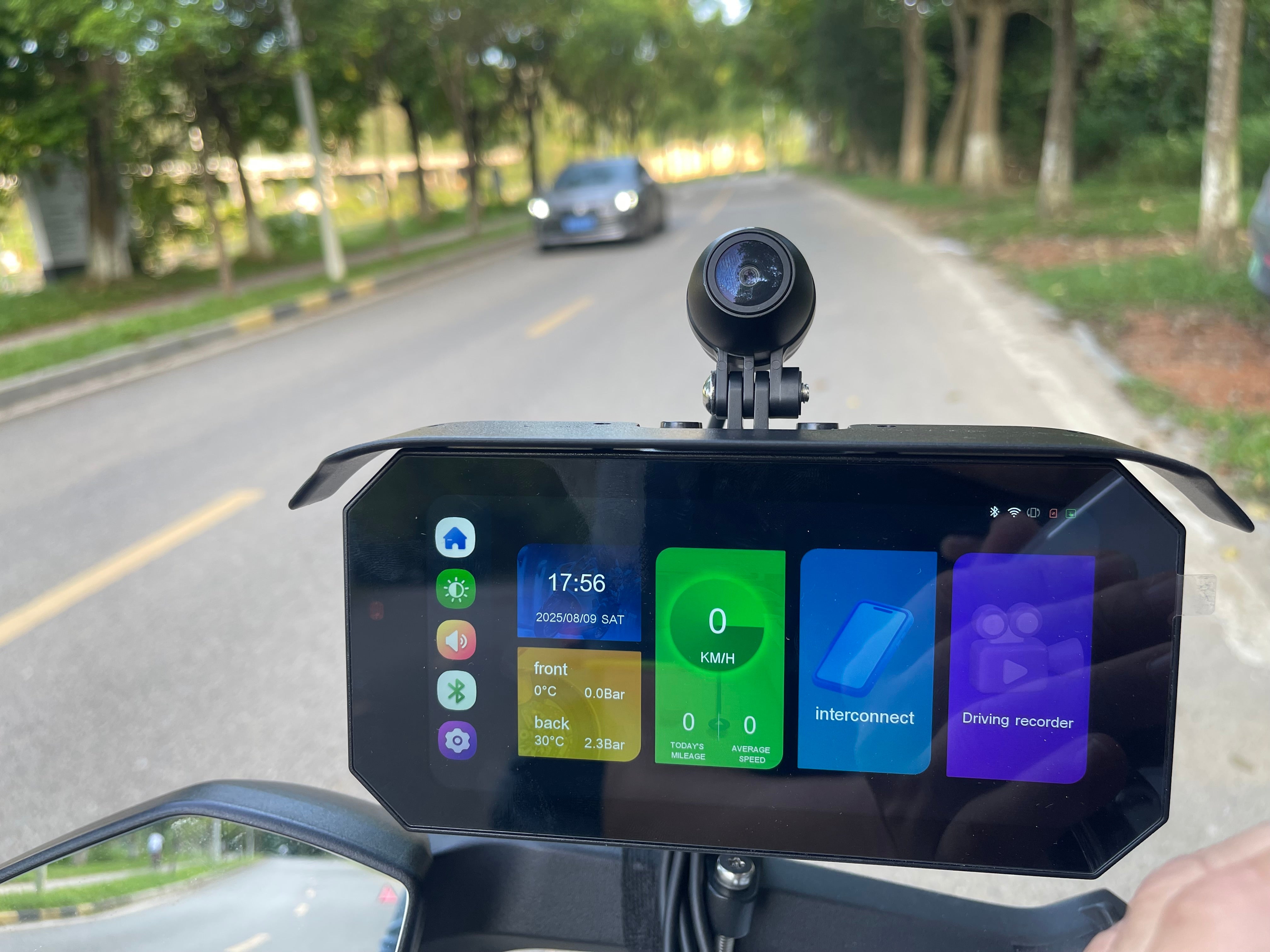
For example, combining a motorcycle dash cam for continuous recording with a wireless CarPlay display for navigation and communication can deliver similar (or even better) functionality—without replacing your helmet.
This flexibility is especially appealing for riders who already have a helmet they trust or want more control over how their setup evolves over time.
How to Choose the Right Motorcycle Smart Helmet (or Alternative)
Before buying, consider what actually improves your riding experience.
If protection and simplicity matter most, an integrated smart helmet may be the right choice. If flexibility, upgradability, or budget control are higher priorities, a modular system could make more sense.
The smartest setup is the one that reduces distraction, improves awareness, and fits naturally into how you ride.

⬤ Q: Are smart helmets legal everywhere?
A: Helmet laws vary by region, so check local regulations before relying on cameras or HUD displays.
⬤ Q: Do smart helmet features affect certification?
A: Reputable smart helmets still adhere to safety standards like DOT/ECE, ensuring protective performance isn’t compromised.
Final Thoughts
So, is a motorcycle smart helmet worth it today?
For riders who want simplicity and an all-in-one solution, it can be a meaningful upgrade.
But for those who value flexibility, lower cost, and long-term adaptability, a modular setup is often the more practical choice—at least for now.
👉 See what a modular motorcycle dash cam setup actually looks like→
In the end, the best setup is the one that helps you stay focused, comfortable, and confident every time you ride—it’s about choosing a setup that supports safer, more focused riding over time.
Keep Riding Smarter

Written by roadpupil