Front Only vs Front + Rear Motorcycle Dash Cam: Which Setup Fits Your Riding Style?
Hey guys, Zoe here from RoadPupil 🖤
If you’ve ever had a car follow too close, brake suddenly behind you, or just felt unsure about what’s happening in your blind spot—you’ve probably wondered:
Is a front motorcycle dash cam enough, or do I actually need a rear one too?
I used to run a front-only setup for a long time. It worked… until the day something happened behind me that I couldn’t prove.
That’s when I realized: choosing between front only vs front + rear isn’t about specs.
It’s about how you actually ride.

Let’s break it down in a real-world way.
🔽 Quick Answer
Short answer:
-
If you ride in traffic → go front + rear
-
If you ride casually → front-only can work
-
If you want full protection → dual cameras are worth it
What a Front-Only Motorcycle Dash Cam Actually Does
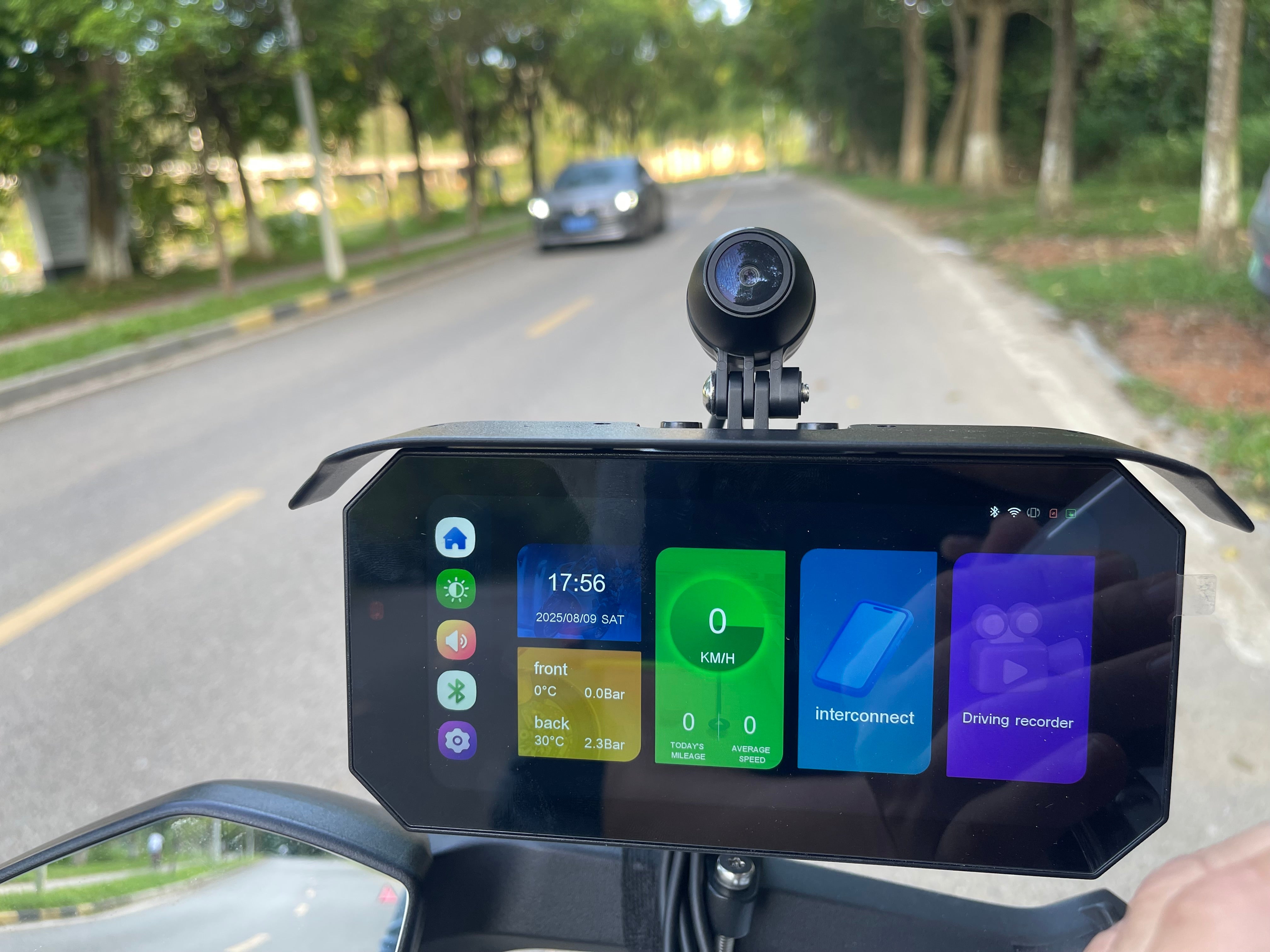
A front dash cam is the simplest way to start recording your rides.
It captures:
-
Everything happening ahead of you
-
Road conditions, traffic, and incidents
-
Scenic footage if you’re riding for fun
For a lot of riders, that’s already enough.
It’s also:
-
Easier to install
-
Less wiring to deal with
-
Usually more budget-friendly
Honestly, if you just want a clean, no-fuss setup, front-only makes total sense.
That’s exactly why so many beginners start here.

What Changes When You Add a Rear Camera?
This is where things get interesting.
Adding a rear camera doesn’t just give you “more footage”—it changes your entire perspective of the ride.
Now you’re also capturing:
-
Cars following too closely
-
Sudden lane changes behind you
-
Rear-end collisions (which are way more common than people think)
And here’s the part most riders underestimate:
A lot of real-world motorcycle incidents don’t come from what’s in front of you—but from what you can’t see behind you.
Once you’ve reviewed dual-camera footage, it’s honestly hard to go back.

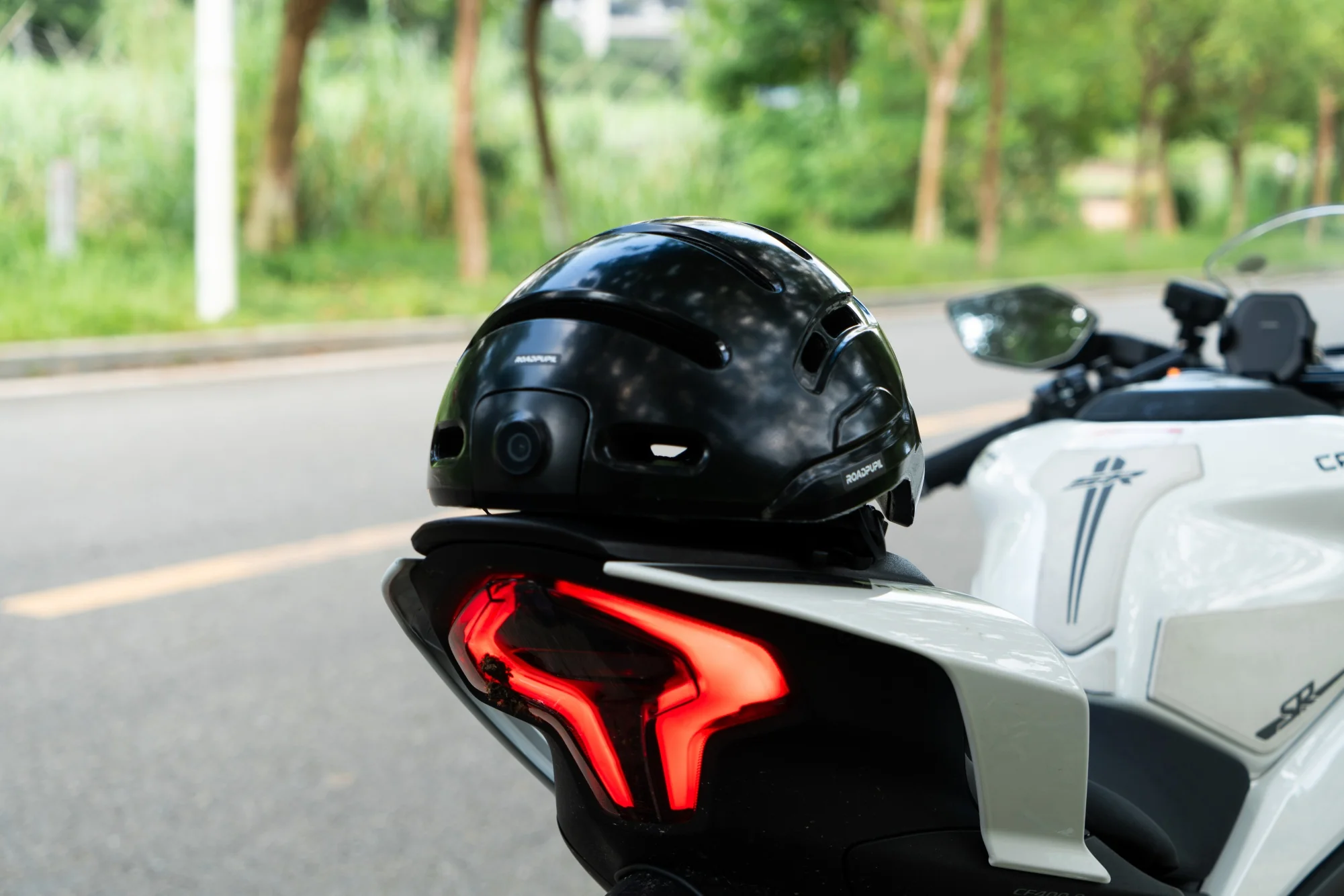
A lot of riders actually end up running both a helmet cam and a bike-mounted system—if you're curious how that works in real life, this breakdown is worth checking out.
Front vs Rear Motorcycle Dash Cam: What Actually Matters
Let’s keep this practical—not spec-heavy.
| Feature | Front Only | Front + Rear |
|---|---|---|
| Coverage | Front view only | Full 360° context |
| Safety | Limited | Much higher |
| Installation | Simple | Moderate |
| Best for | Casual riders | Daily / city riders |
Coverage
-
Front only: You see what you see
-
Front + rear: You see the full story
If something happens, dual cameras give context. Not just a moment.
Safety Perspective
-
Front cam: Helps with what you react to
-
Rear cam: Captures what you can’t react to
And yeah… that second one matters more than most people expect.
Installation & Setup
-
Front only = quick and simple
-
Dual cam = a bit more wiring, but usually a one-time job
With newer systems (like the ones we work on at RoadPupil), wiring is designed to be pretty straightforward once you get the layout right.
Cost vs Long-Term Value
Front-only setups are cheaper upfront.
But dual-camera systems tend to be:
-
More complete
-
More useful in real incidents
-
Less likely to leave you saying “I wish I had that angle”
Which Riding Style Are You?
This is the part that actually decides everything.

🏙 City Commuter
If you ride in traffic every day—stoplights, tight lanes, unpredictable drivers—
👉 Go with front + rear
Most risks in city riding come from:
-
Cars following too closely
-
Sudden braking
-
People not paying attention behind you
Rear coverage matters here. A lot.
I didn’t think much about this at first either—but it turned out to matter way more than I expected.
Also, depending on where you ride, it’s a good idea to understand how recording laws apply to motorcycle and helmet cameras.
🛣 Weekend / Scenic Rider
If your rides are more about:
-
Open roads
-
Chill routes
-
Capturing the view
👉 You can go with front only
👉 But dual cam still adds safety without changing your experience
It really comes down to whether you care more about footage or protection.
🏍 Long-Distance / Highway Rider
If you spend serious time on highways—
👉 Front + rear is 100% worth it
High-speed riding means:
-
Less reaction time
-
More blind spots
-
Higher impact if something goes wrong
Rear footage in these situations isn’t “extra”—it’s essential.
🧑🔧 Minimalist Rider
If you just want:
-
Clean handlebars
-
Minimal setup
-
No extra complexity
👉 Front-only is totally fine
Not everyone wants a full system—and that’s okay.
Is a Rear Camera Worth It in Real Life?
Let me put it this way.
Most riders I’ve talked to don’t regret installing a rear camera.
But a lot of them regret not having one when they needed it.
Typical situations:
-
Someone bumps you from behind at a stop
-
A car rides your tail aggressively
-
A driver cuts in and then blames you
Without rear footage, it often turns into your word vs theirs.
And that’s not a great place to be.
Common Misconceptions About Dual Camera Setups
Let’s clear a few things up.
“Rear cameras are hard to install”
Not really. It’s slightly more work than front-only, but you do it once and you’re done.
“I’ll never need rear footage”
That’s what most people think—until something happens.
“It’s too expensive”
Depends how you look at it. Compared to what a single incident can cost, it’s actually pretty reasonable.
Still Not Sure? Start Here
If you’re stuck choosing, don’t overthink it.
The best setup depends on:
-
Where you ride
-
How often you ride
-
What kind of risks you’re dealing with
If you want to go deeper before deciding, this complete guide to motorcycle dash cams through everything—from setup to what actually matters on the road.
Final Thoughts
There’s no single “perfect” setup for everyone.
Some riders are totally fine with a front-only camera.
Others won’t ride without full front and rear coverage.
What matters is this:
The best dash cam setup isn’t the most advanced one—it’s the one that fits your ride.
When it comes to choosing a front vs rear motorcycle dash cam setup, there’s no one-size-fits-all answer.
Ride safe—and record smart 🖤
FAQ
⬤ Do I really need a rear motorcycle dash cam?
Not always—but if you ride in traffic or highways, it adds important protection.
⬤ Is a front motorcycle dash cam enough for beginners?
Yes, many riders start with front-only setups and upgrade later.
Keep Riding Smarter

Written by roadpupil