Is Helmet Cam Legal in Europe and the USA? Motorcycle Laws Explained
Helmet cams have become a common choice among riders seeking extra safety on the road. Whether you use your camera on motorbike journeys to record scenic rides or as protective evidence in case of an accident, many riders ask the same question: is a helmet cam legal in Europe and the USA? This guide dives deep into helmet cam legality, privacy laws, and how to safely use your recording gear without breaking local rules.
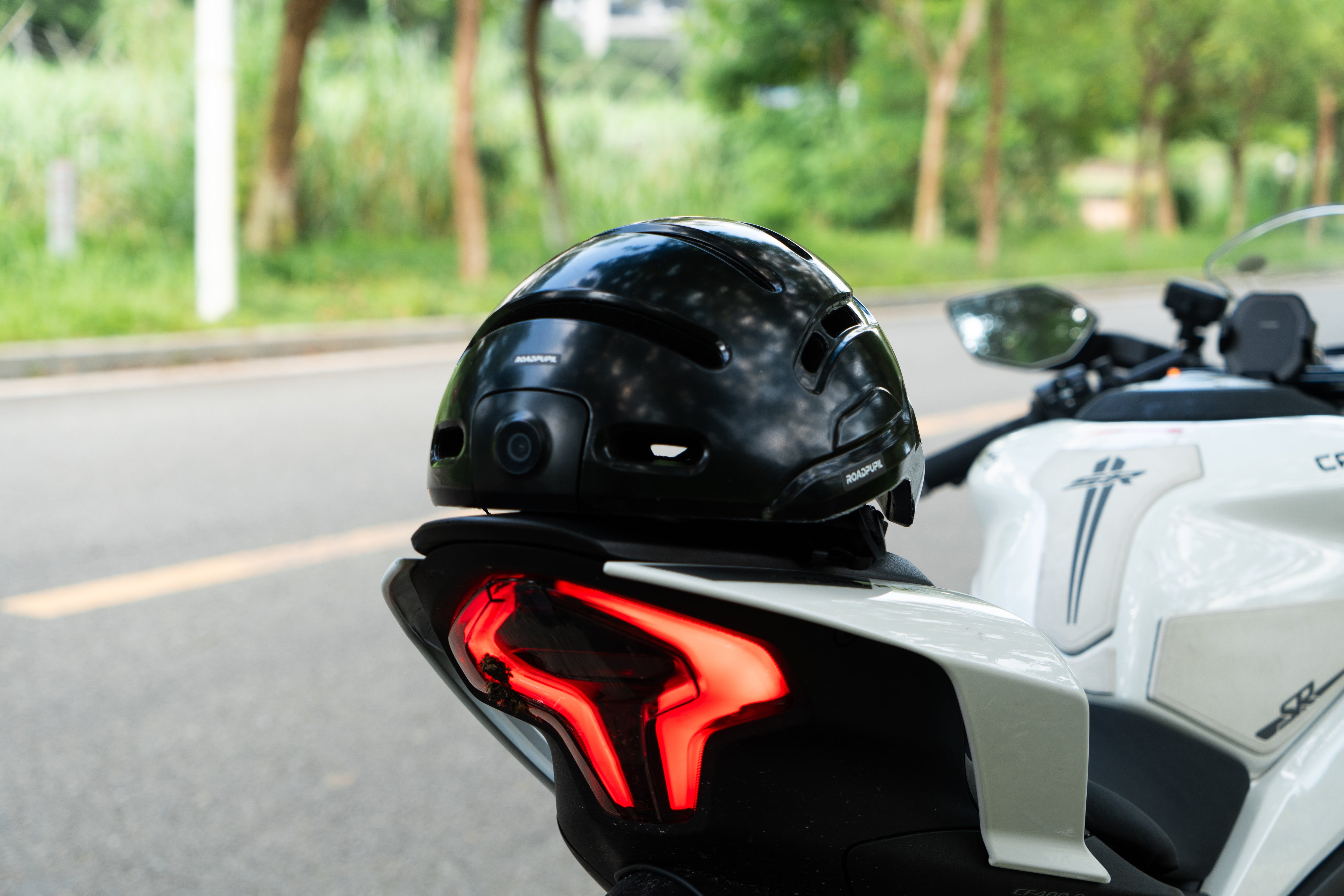
If you’re also curious about helmet-integrated technology and how it compares to standalone cameras, our complete guide to motorcycle smart helmets breaks everything down in detail.

Why Riders Choose a Helmet Cam
Riders increasingly rely on a helmet cam as both a biker dash cam and a tool for capturing stunning road footage. Action cameras today are compact, capable of 1080p–4K video, and can record continuously with large SD cards. A helmet-mounted camera lets you experience rides from your own point of view, giving you real-time road footage while you focus on balance and speed. Many modern action cameras also include stabilization, waterproofing, and Wi-Fi connectivity — features that help you share your adventures with friends.
For many riders, the camera on motorbike adventures offers two core benefits:
-
Record evidence for collisions or disputes
-
Capture memories of unforgettable rides
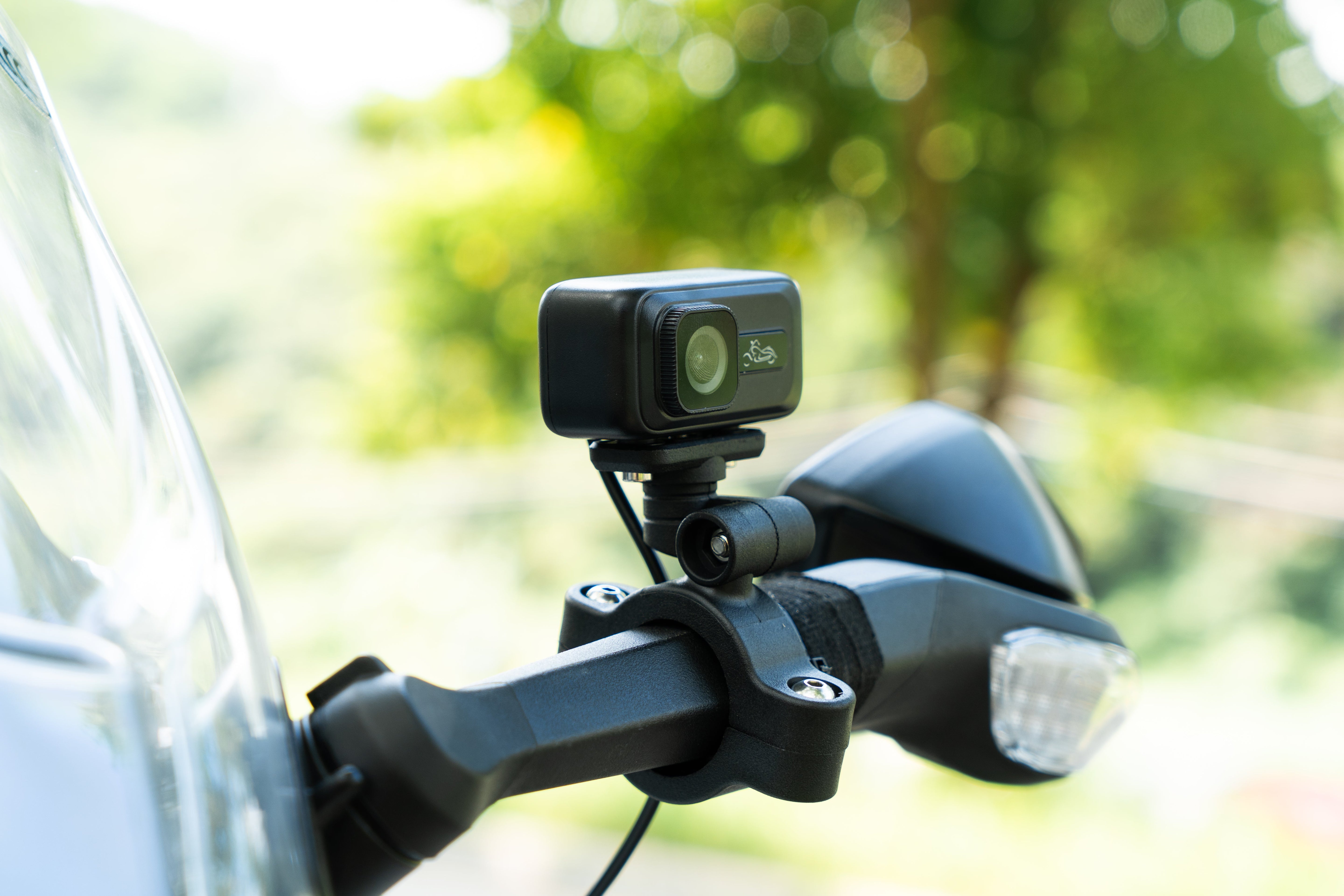
Some riders combine helmet and bike-mounted cameras to document rides from multiple perspectives.

For riders deciding between head-mounted cameras and fixed systems, understanding the real-world differences matters. We’ve broken this down in our helmet cam vs motorcycle dash cam comparison.
Is Helmet Cam Legal in Europe?
In Europe, motorcycle helmet camera legality depends heavily on privacy compliance. Helmet cam legality in Europe varies by country, especially due to strict motorcycle camera privacy laws under GDPR (General Data Protection Regulation). Many European countries allow you to wear and use a helmet camera as long as you follow local privacy rules, but there are caveats.
📍 Country-by-Country Breakdown
-
UK & Spain: Helmet cams are generally legal to wear and use on public roads.
-
France & Belgium: You can record, but posting footage publicly (e.g., YouTube) without obscuring personal data may be restricted.
-
Germany: Action camera recordings and dash cams face strict interpretation under surveillance laws. There may be fines or confiscation if recordings are judged to violate privacy norms.
-
Austria, Portugal & Luxembourg: Dash cams (and potentially helmet cams) are limited or banned due to privacy and data-protection laws.
Europe’s GDPR requires that any personal data collected (e.g., faces, number plates) must be lawfully processed and handled with care. This means if you record other riders or pedestrians, you may need to blur personal identifiers before sharing publicly.
Key takeaway: It is often not illegal to wear or use a helmet cam in Europe — but how you manage and share the footage can trigger legal risks.
In short, helmet cam legality in Europe depends less on recording itself and more on how footage is stored and shared. This is where motorcycle smart helmet systems with built-in recording and privacy-friendly settings often offer safer alternatives.

Is Motorcycle Camera Legal in the USA?
In the United States, motorcycle cameras — including helmet cams — are generally legal, but with some nuances around safety compliance and audio recording.
🧍♂️ Helmet Safety Compliance
-
Federal safety standards (DOT) specify that helmets must not have rigid projections sticking out more than 5 mm, which is intended to avoid snag points that could cause injury in a crash. Mounting a camera that protrudes too far could technically make a helmet non-compliant, depending on how local law enforcers interpret the rule.
-
Some U.S. states don’t have specific laws against helmet cam use; Indiana is one where no statute forbids a proper mount as long as the camera does not damage the helmet.
🔊 Audio & Privacy Considerations
-
Recording video on public roads is generally allowed, but audio recording might require compliance with state consent laws (e.g., one-party vs two-party consent). Always check your state’s specific rules or turn off audio if unsure.
📂 Using Footage in Court
Many U.S. attorneys accept helmet cam footage as evidence, provided it is original, unedited, and properly authenticated. This can be a powerful tool in accident claims or compensation cases.
Because of helmet compliance concerns, many riders in the U.S. start looking into certified motorcycle smart helmet designs that integrate cameras without unsafe modifications.

Helmet Cam vs Bike-Mounted Cameras
When you’re considering camera motorbike setups, it helps to understand differences:
| Feature | Helmet Cam | Motorcycle-Mounted |
|---|---|---|
| POV (Rider’s perspective) | ✔ | ✘ |
| May affect helmet compliance | Possible | ❌ |
| Audio legality | Depends | Depends |
| Best for accident evidence | ✔ | ✔ |
| Best for scenic footage | ✔ | ✔ |
If you’re leaning toward an all-in-one helmet solution, our complete motorcycle smart helmet guide explains how it works, what to expect, and whether it actually fits your riding style.
Helmet cams give you a true first-person view, but you must consider helmet safety standards and privacy issues. A secure motorcycle dash cam or bike mount avoids helmet compliance concerns while still capturing high-quality road footage.

How to Use a Helmet Cam Legally and Safely
To stay compliant and maximize the usefulness of your footage:
1. Use Non-Invasive Mounts
Avoid drilling holes into your helmet. Adhesive pads, straps, or dedicated helmet clips protect your certification and do not weaken the helmet shell.
2. Respect Privacy Laws
In Europe, don’t upload footage with identifiable people or plates without blurring them. In the U.S., know your local audio consent requirements.
3. Proper Video Management
Store original footage safely and back it up. This strengthens the validity of your recording if you ever need to present it to authorities or insurance.
4. Choose Quality Gear
High-quality helmet and motorcycle cameras, like those from RoadPupil, with timestamps, stabilization, and dependable loop recording are crucial for reliable evidence and smooth ride documentation.
Choosing the Right Motorcycle Camera for Legal & Daily Use
When choosing a motorcycle camera — whether helmet-mounted or bike-mounted — it’s important to focus less on marketing features and more on how the camera fits real riding conditions.
For everyday riders, clarity and consistency matter more than cinematic quality. A reliable camera should record continuously, handle rain and vibration, and produce usable footage in changing light — especially at night or in traffic.
Legal use is just as important as video quality. Mounting options should not compromise helmet safety standards, and footage should be easy to manage if it ever needs to be reviewed by insurance or authorities.
Some brands, including RoadPupil, focus specifically on rider-oriented motorcycle camera design, prioritizing durability and stable mounting. This rider-first approach usually prioritizes durability, stable mounting, and practical recording over social-media features.
In the end, the “right” camera is the one that works quietly in the background — capturing what matters without changing how you ride.

Final Thoughts: Is a Helmet Cam Worth It?
A helmet cam can be both legal and useful when used correctly and with awareness of local rules. In most parts of Europe and the United States, riders are allowed to record their journeys, but how the footage is mounted, stored, and shared matters just as much as the recording itself.
Understanding local privacy rules, helmet safety standards, and audio recording laws helps riders avoid unnecessary trouble while still protecting themselves on the road.
Whether you choose a helmet-mounted camera or a bike-mounted setup, the real value isn’t in filming content — it’s in having clear, reliable footage when it truly matters.
For riders exploring integrated technology, smart helmets offer a middle ground between traditional helmet cams and external motorcycle cameras.
Used correctly, a motorcycle camera becomes a quiet safety companion, not a distraction — supporting everyday riding without changing how you ride.
Keep Riding Smarter

Written by roadpupil