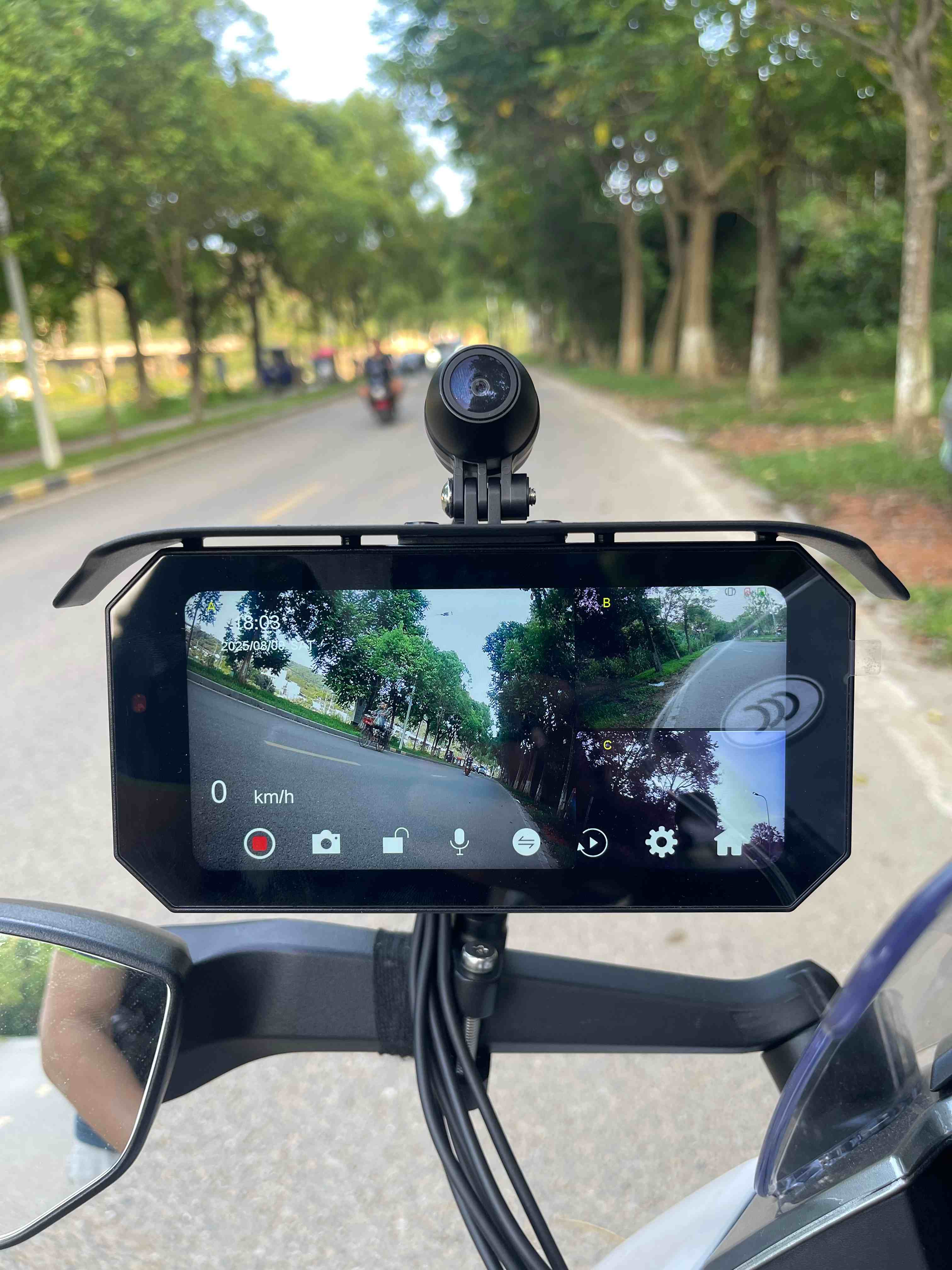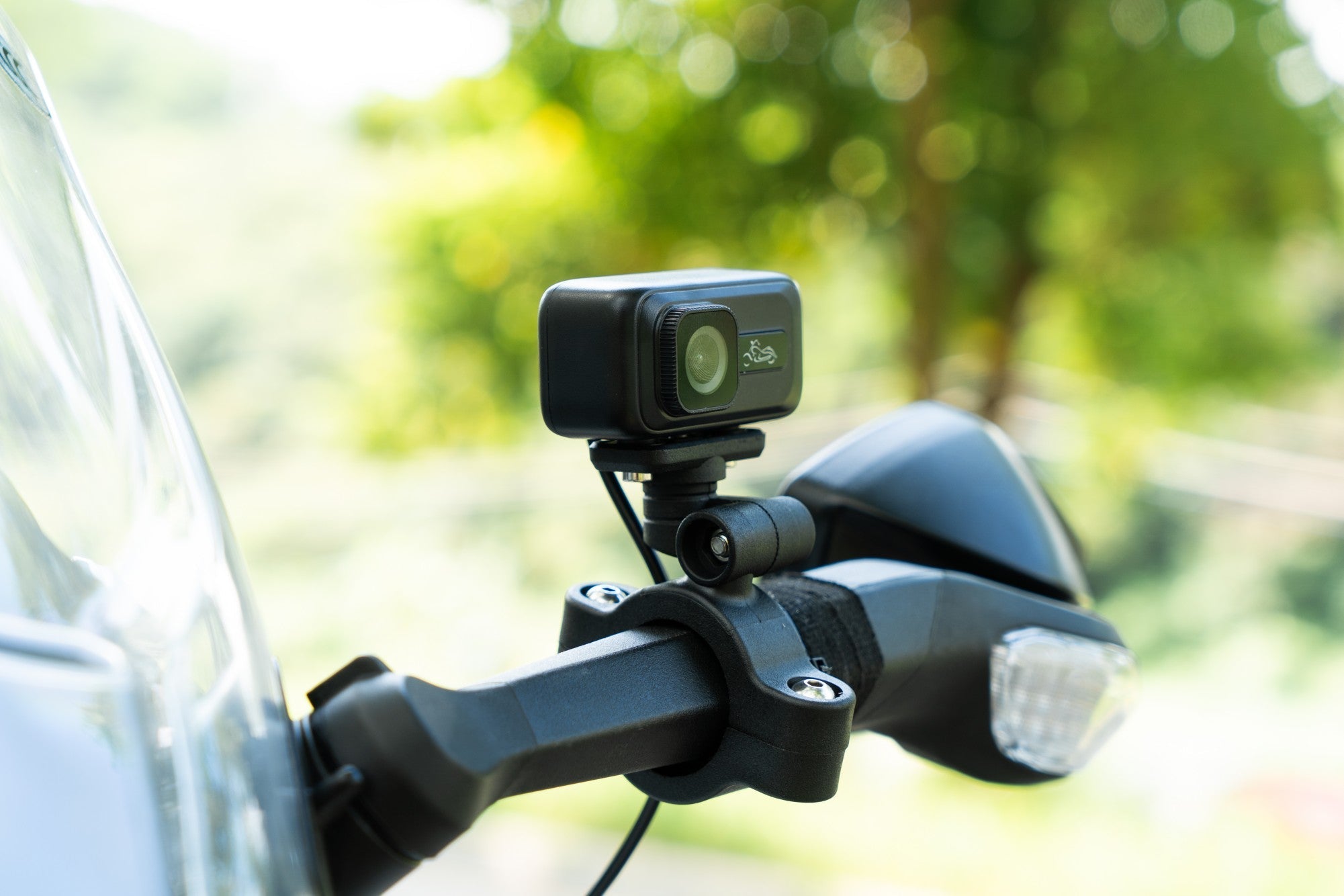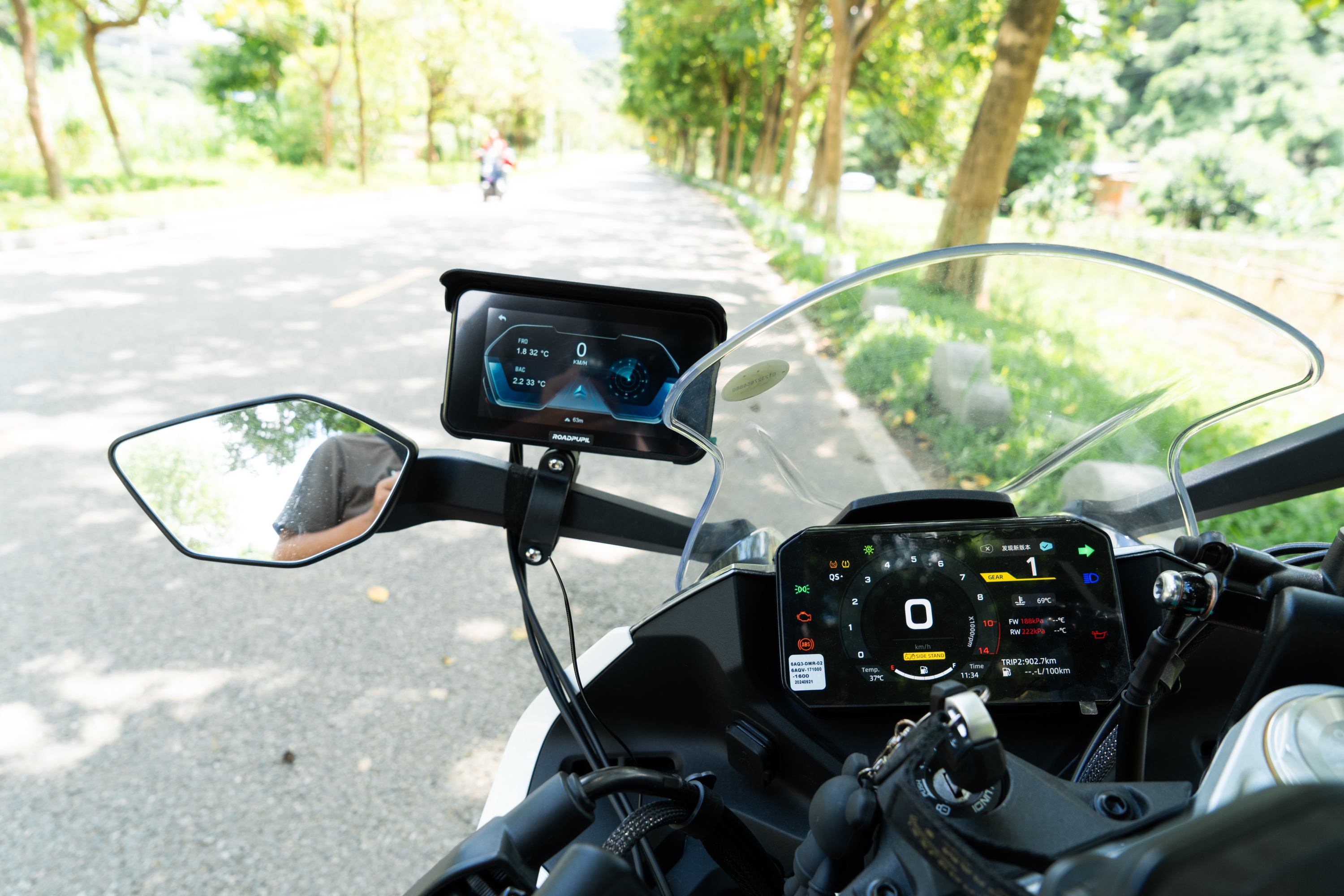
Motorcycle Dash Cam vs Action Camera: Which Is Better for Everyday Riding on a Motorcycle?
When you start looking for a camera setup for your bike, you’ll quickly run into the whole action camera vs dashcam features comparison debate.
On the surface, both record video. But once we start riding every day—commuting, riding at night, getting caught in the rain—the differences show up fast. Let’s talk about what actually works on a motorcycle, based on real riding, not spec sheets.

If you’re still getting familiar with how motorcycle dash cams work in general, this complete motorcycle dash cam guide breaks everything down in detail.
Why This Comparison Matters in Real Life
A lot of us start with an action camera. It’s popular, it looks powerful, and it works great for filming rides.
But after a while, the small problems add up:
-
We forget to charge it
-
We forget to press record
-
We don’t want to mount and remove it every day
-
Rain shows up when we least expect it
Nothing major on its own, but annoying when it happens again and again.
At some point, a lot of riders start asking themselves something a bit more practical: how can I use a motorcycle dash cam to improve my safety?
Because once you’ve ridden for a while, it stops being about capturing cool clips. You just want something that’s always there — recording in the background, handling rain, vibration, all the boring real-world stuff — and actually giving you usable footage if something goes wrong.
That’s usually when a dash cam starts to make more sense for everyday riding. Not as a filming tool, but as something you can rely on without even thinking about it. And honestly, that’s what ends up pushing most people to look into the whole dash cam vs action camera question in the first place.
Motorcycle Dash Cam vs Action Camera: Key Differences in Real Riding
Daily Riding & Convenience
Daily riding is about reliability and convenience. We want a camera that turns on by itself, stays on the bike, and keeps working in rain or at night without extra effort.

A motorcycle dash cam:
-
Turns on with the bike
-
Records the whole ride automatically
-
Keeps working in the rain
-
Doesn’t need daily setup
Action cameras can work for content creation, but they require more attention. For commuters, delivery riders, or anyone riding frequently, a dash cam simply fits daily life better.
Many riders also compare dash cams with helmet cameras. We’ve covered whether a helmet camera is legal and practical for motorcycle riding in a separate article.
Weather & Reliability
Riding in all weather is part of everyday life. A dash cam designed for motorcycles handles rain, heat, and vibration, while action cameras may require additional housing and daily setup. Reliability is critical—forgetting to press record or charging the camera daily defeats the purpose of protection.
Night Riding Performance
If we ride at night, clear footage matters more than ever. Streetlights, headlights, and sudden brightness changes can ruin a video if the camera isn’t built for it.

A good dash cam for motorcycle use is tuned for night riding—not cinematic, but enough to clearly see what happened if something goes wrong.
Coverage & Recording Style
-
Dash cams often offer front & rear coverage
-
Action cameras usually cover front only
-
Dash cams start recording automatically
-
Action cameras require manual operation
Convenience and continuous recording are what separate them in daily use.
Motorcycle Dash Cam vs Action Camera: Quick Comparison
| What Matters in Daily Riding | Motorcycle Dash Cam | Action Camera |
|---|---|---|
| Starts recording by itself | Yes | No |
| Designed to stay on the bike | Yes | Not really |
| Handles rain and weather | Yes (IP67/IP68) | Depends on housing |
| Front & rear coverage | Often available | Usually front only |
| Good for night riding | Yes | Varies a lot |
| Needs daily attention | No | Yes |
| Best for | Safety & evidence | Filming content |
This isn’t about which camera is “better” on paper—just which one fits daily riding better.
For many riders, this table already points in a clear direction.
So, Which One Makes Sense for Everyday Riding?
Here’s the honest answer:
-
If we want to film trips, vlogs, or social media, an action camera makes sense.
-
If we want daily protection without thinking about it, a motorcycle dash cam is the better choice.

When an Action Camera Actually Makes Sense
Action cameras still have a place—mainly for riders who prioritize filming content over day-to-day safety. Vlogs, scenic rides, or social media clips are the scenarios where they shine.
Why Some Riders Eventually Choose a Motorcycle Dash Cam
Some riders start with an action camera, but over time realize a dash cam is simpler and more reliable for daily protection. Roadpupil focuses on motorcycle dash cams built for real riding conditions—we’re not a general camera reseller.
Whether you buy one or plan a larger setup, we provide factory-direct pricing and support for real riding conditions.
Conclusion
A motorcycle dash cam doesn’t change how you ride—it quietly has your back every time you do. For more complete guidance, including setup tips and model recommendations, check out our complete motorcycle dash cam guide.
Get in Touch
If you’re still figuring out what setup actually works for your kind of riding, feel free to reach out — always happy to share what I’ve learned from real-world use.
📧 roadpupil@gmail.com
📱 Instagram: @roadpupil
And if you’re curious what kind of setups we’ve been working on lately, you can take a look here →🛒 Shop RoadPupil
Keep Riding Smarter

Written by roadpupil