Motorcycle Dash Cam Guide (2026): What Riders Actually Need to Know
Many Riders Don’t Think About a Dash Cam Until Something Almost Happens.
Most riders don’t wake up one day thinking:
“I should install a motorcycle dash cam.”
Usually, it starts after a close call.

A car drifts into your lane without signaling.
Someone suddenly brakes in front of you during rush hour.
Or worse — you realize afterward that if an accident actually happened, it would become your word against theirs.
That was the moment I started taking motorcycle dash cams seriously.
At first, I thought an action camera was enough. I tried helmet-mounted setups for a while. The footage looked cool, but after daily commuting, charging batteries every ride, dealing with overheating, and constantly forgetting to record became exhausting.
A dedicated motorcycle dash cam turned out to solve problems I didn’t even realize I had.
And honestly?
Most riders don’t install dash cams because they want cinematic riding footage.
They install them because modern traffic is unpredictable.
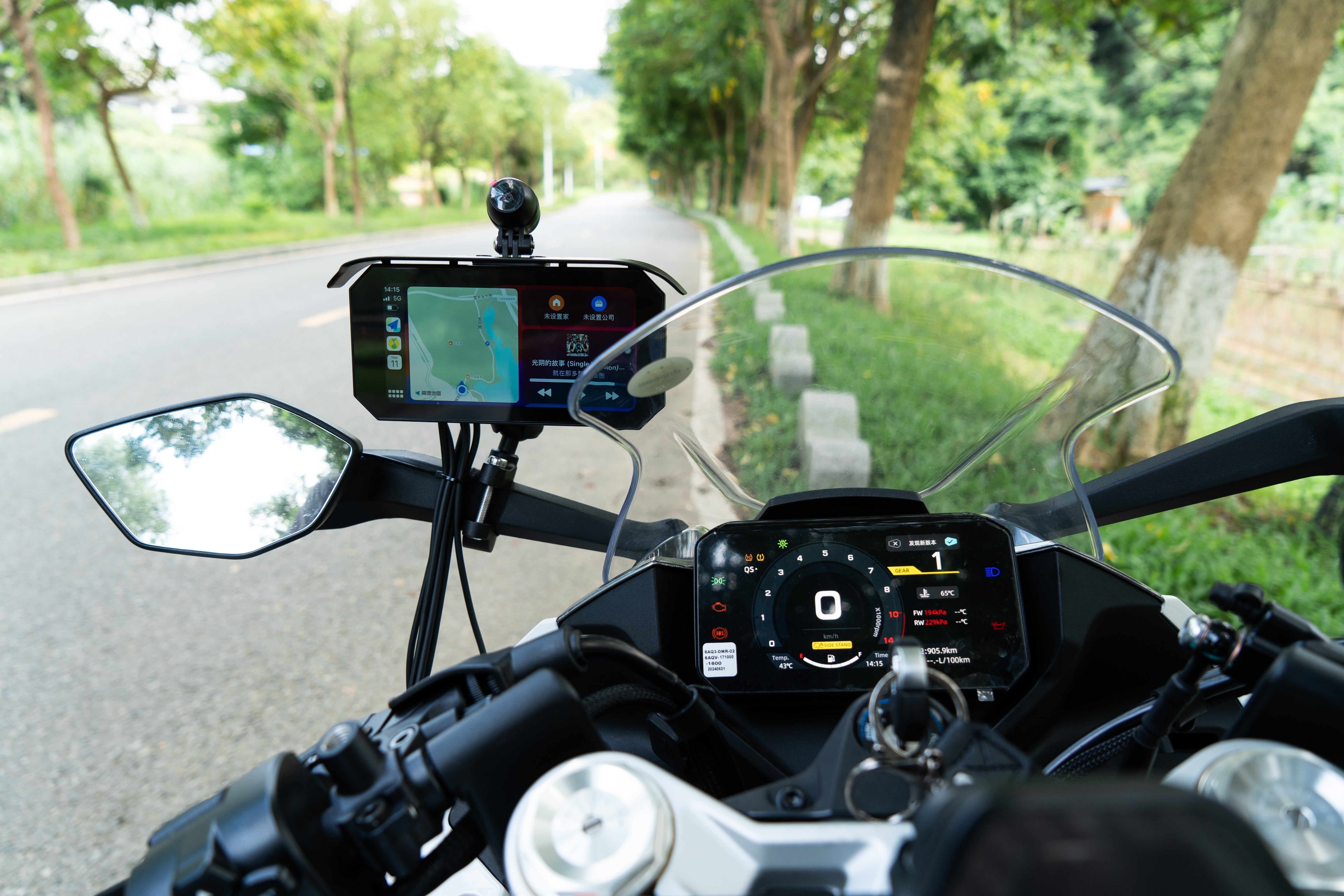
This guide breaks down what motorcycle dash cams actually help with, which features matter in real-world riding, and what many riders regret buying too late.
Most riders only start researching after a close call or near miss.
👉 At that point, many begin asking: is a motorcycle dash cam worth it.
Why More Riders Are Installing Motorcycle Dash Cams
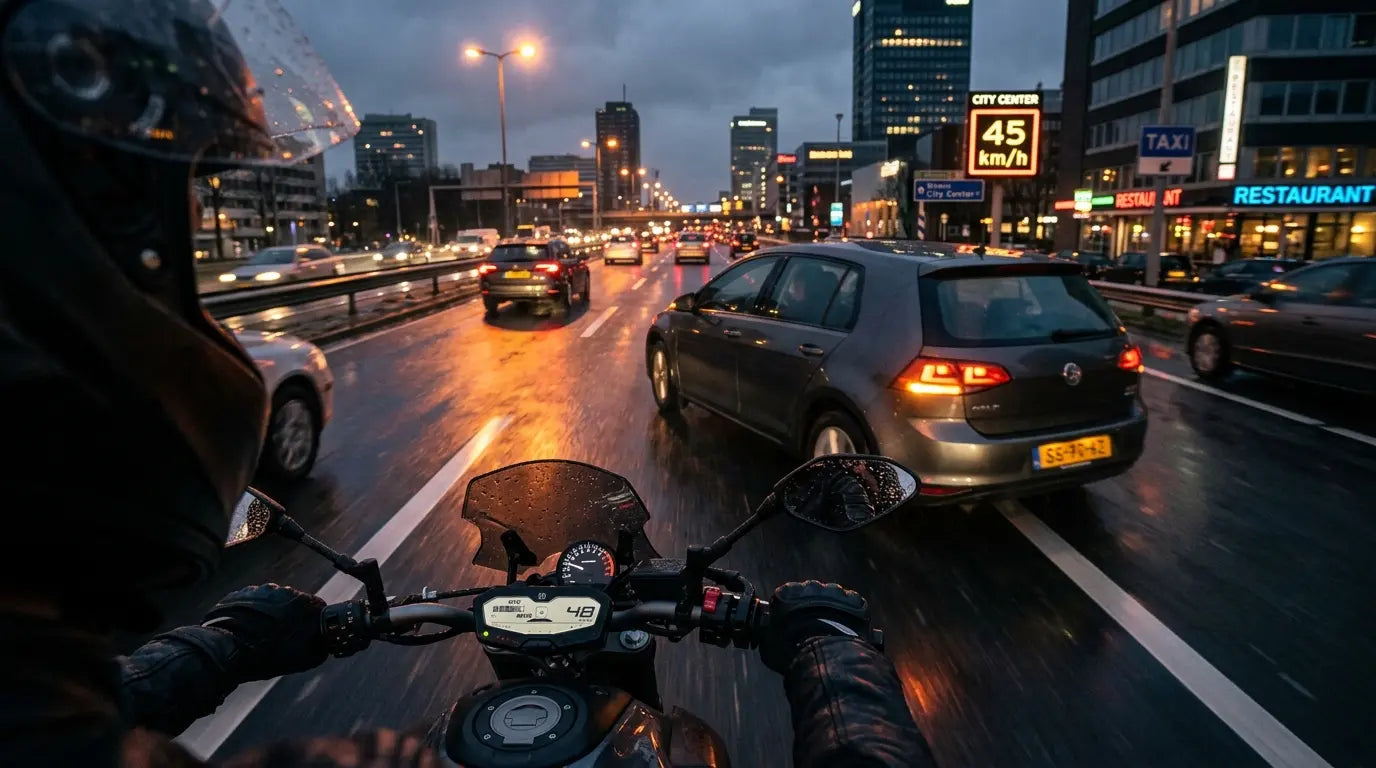
Traffic feels different today than it did even a few years ago.
More distracted drivers.
More aggressive lane changes.
More hit-and-run situations.
More insurance disputes.
And riders are always the more vulnerable side in those situations.
A motorcycle dash cam doesn’t magically make riding safer.
But it does something extremely important:
It gives you evidence when things go wrong.
👉 This usually becomes more important once riders realize how hard it can be to prove what actually happened on the road, which is why many start looking into motorcycle accident evidence and dash cam safety benefits.
For daily commuters, that peace of mind becomes surprisingly valuable.
Especially during:
- Sudden lane changes by cars
- Riding in heavy rain
- Hit-and-run incidents
- Dangerous blind spots
- Poor visibility at night
- Aggressive drivers
- Lack of evidence after accidents
- Parking collisions and theft
- Mountain road and long-distance ride recording
👉 Once you start paying attention to riding tech, it usually doesn’t stop at just the dash cam, especially when riders start exploring setups like wireless motorcycle CarPlay systems.
One thing many riders realize after installing a dash cam is that they ride more relaxed afterward.
Not because danger disappears.
But because there’s finally a record of what actually happened.
What a Motorcycle Dash Cam Actually Helps With

👉 Most riders don’t really start looking into features until they’ve already started wondering if is it actually worth it.
👉 That’s usually when deeper research begins.
A lot of blogs oversimplify this part.
They usually say:
“Dash cams improve safety.”
But in real riding, the benefits are much more specific than that.
Accident Evidence
This is the obvious one.
If a driver cuts across your lane, runs a red light, or rear-ends you at low speed, footage can become critical during insurance claims.
And unlike car dash cams, motorcycle accidents often happen fast and from awkward angles.
That’s why front-and-rear recording matters more than most riders initially think.
👉 For most riders, the real question is whether their setup would actually hold up in a real accident situation, which is why many start looking into complete motorcycle dash cam setups for better protection.
Parking Protection
Many riders overlook this until their bike gets touched while parked.
A good motorcycle dash cam with parking mode can help capture:
- parking lot bumps
- vandalism
- hit-and-run damage
- suspicious movement around the bike
Especially if you commute daily or park outside frequently.
 👉 A lot of riders only think about parked-bike protection after something happens while the bike is left unattended, which is where dash cam parking mode and related issues usually come into play.
Reviewing Riding Mistakes
This part surprised me the most.
After reviewing footage from regular rides, I noticed things I never realized in the moment:
- entering corners too aggressively
- following traffic too closely
- poor lane positioning at intersections
A motorcycle dash cam quietly becomes a riding feedback tool over time.
Night Riding Visibility
Night riding footage is where cheap systems usually fall apart.
A lot of riders focus on “4K resolution” when shopping.
But in real-world riding, stable exposure and license plate clarity matter far more than inflated resolution numbers.
A reliable sensor with balanced night recording is often more useful than flashy marketing specs.
Motorcycle Dash Cam vs Action Camera

This is probably the biggest mistake new riders make.
I made it too.
At first, an action camera seems like the obvious solution.
Smaller.
Portable.
Good-looking footage.
But after long-term riding, the differences become obvious.
| Motorcycle Dash Cam | Action Camera |
|---|---|
| Automatically records every ride | Must manually start recording |
| Wired power system | Battery-dependent |
| Designed for weather exposure | Can overheat during long rides |
| Front + rear recording | Usually single angle |
| Parking mode support | Limited |
| Built for daily riding | Built more for content creation |
Action cameras are great for travel videos and occasional rides.
But for commuting, safety recording, and “set it and forget it” reliability, dedicated motorcycle dash cams usually make more sense long term.
👉 A lot of riders who start with dash cams eventually upgrade other parts of their setup too, especially wireless motorcycle CarPlay systems.
A lot of riders learn this after a few weeks of constantly charging batteries and managing storage manually.
Getting everything mounted and working properly is usually harder than most riders expect at first.

👉 This becomes especially true when combining multiple riding devices during motorcycle dash cam installation and setup.
What Features Should You Look for in a Motorcycle Dash Cam?
This is where many buying guides become useless.
👉 Most riders eventually realize that real-world reliability matters far more than spec sheets alone, especially when comparing different real-world motorcycle dash cam performance setups.
They throw around feature lists without explaining what actually matters once you’re riding every day.
Why Stable Recording Matters More Than 4K
Most riders assume higher resolution automatically means better footage.
Not always.
If the camera struggles with vibration, glare, rain exposure, or sudden lighting changes, “4K” doesn’t help much.
Stable image processing matters more in real traffic conditions.
Especially on motorcycles with stronger vibration.
Why Waterproofing Becomes Important Faster Than You Think
A lot of riders think:
“I don’t really ride in rain.”
Then suddenly:
- unexpected storms
- morning fog
- highway spray
- bike washing
- humid summer riding
start becoming normal situations.
Weather resistance matters even if you don’t intentionally ride in bad weather.
Why Front and Rear Cameras Matter
Rear incidents are incredibly common.
Especially during:
- stoplights
- traffic jams
- tailgating situations
Many riders initially buy front-only systems and later regret it.
Front and rear motorcycle dash cams provide a much clearer picture during insurance disputes.
The Problem With Battery-Powered Systems
This gets ignored constantly.
Battery-powered cameras sound convenient until you actually use them daily.
Common frustrations include:
- forgetting to charge
- overheating in summer
- battery degradation
- dead recording mid-ride
For consistent commuting, hardwired systems usually become far more practical.
Common Mistakes Riders Make When Buying a Dash Cam
After talking with other riders and testing different setups, these mistakes come up constantly.
Buying Based Only on Resolution
A stable 1080p recording system can outperform a bad “4K” camera in real traffic situations.
Especially at night.
Ignoring Mount Quality
Poor mounting creates vibration-heavy footage that becomes difficult to use during actual incidents.
Good mounting stability matters more than many riders realize.
Choosing Style Over Reliability
A sleek-looking system means nothing if it randomly stops recording.
Reliability matters more than flashy features.
For many riders, the hardest part is figuring out what setup actually fits their riding style and daily commute.
👉 That’s why many start searching for what motorcycle dash cam setup fits my riding style.
Forgetting Storage Quality
Cheap SD cards cause more recording problems than people expect.
Corrupted footage after an incident is one of the worst surprises possible.
Underestimating Daily Convenience
If a system feels annoying to use, many riders slowly stop using it consistently.
The best motorcycle dash cam is usually the one that quietly works every single ride.
How Can a Motorcycle Dash Cam Support Safer Riding?
One interesting thing Google users often search is:
“How can I use a motorcycle dash cam to improve my safety?”
And honestly, the answer isn’t just about evidence.
A dash cam changes rider awareness over time.
Many riders become more conscious of:
- blind spots
- following distance
- lane positioning
- aggressive drivers
- risky intersections
Because once you start reviewing footage occasionally, riding habits become easier to notice.
It’s similar to athletes reviewing training footage.
The camera doesn’t replace skill.
But it can quietly improve awareness.
👉 Some riders eventually end up thinking about their whole riding setup, not just one device, which is where RoadPupil riding safety solutions become relevant.
What Maintenance Does a Motorcycle Dash Cam Need?
Another underrated question riders search for is:
“What maintenance does a motorcycle dash cam need to keep working well?”
Most riders barely think about maintenance until footage fails.
Fortunately, maintenance is simple if done regularly.
Basic Maintenance Checklist
Every Few Weeks
- Check camera lens cleanliness
- Inspect mounting stability
- Verify recording is working properly
Every Few Months
- Format SD card
- Inspect wiring connections
- Update firmware if available
After Heavy Rain or Long Trips
- Check waterproof seals
- Inspect connectors for corrosion
Most dash cam failures come from neglected storage cards or loose wiring — not the camera itself.
Is a Motorcycle Dash Cam Worth It?
For occasional weekend riders?
Maybe not essential.
But for:
- commuters
- touring riders
- city riders
- highway riders
- year-round riders
…it becomes increasingly valuable over time.
Most riders who install a proper motorcycle dash cam setup rarely go back.
Not because it’s exciting.
But because it quietly removes uncertainty from riding.
And honestly, that peace of mind becomes hard to give up.
👉 And when it comes to actually choosing and installing everything, a lot of riders end up looking for some guidance at that stage, which is why they often reach out for support when needed.
Final Thoughts: What Most Riders Realize Too Late
A lot of riders wait until after a close call to start thinking about recording systems.
That’s usually how it starts.
Not because riders suddenly care about cameras.
But because modern roads feel less predictable than before.
The best motorcycle dash cam isn’t necessarily the most expensive one.
It’s the one that reliably works every ride, handles real-world conditions, and quietly protects you when something unexpected happens.
And after enough miles on the road, most riders eventually understand why that matters.
👉 As riders spend more time on the road, many eventually start upgrading the rest of their riding setup too, especially motorcycle riding safety system upgrades.

FAQ
⬤ Q: Do motorcycle dash cams drain the battery?
A: Most properly installed motorcycle dash cams use very little power while riding. Systems with smart voltage protection are designed to prevent battery drain issues.
⬤ Q: Are motorcycle dash cams waterproof?
A: Most dedicated motorcycle dash cams are designed for outdoor riding conditions, but waterproof ratings still matter — especially for year-round riders.
⬤ Q: Is a helmet camera enough for motorcycle safety?
A: Helmet cameras are useful, but many riders eventually prefer dedicated motorcycle dash cams because they automatically record every ride and support front-and-rear coverage.
⬤ Q: Can a motorcycle dash cam record while parked?
A: Some systems support parking monitoring features that continue recording or activate during movement detection while parked.
⬤ Q: Is 4K necessary for motorcycle dash cams?
A: Not always. Stable footage, good low-light performance, and reliable recording are usually more important than raw resolution.
Keep Riding Smarter

Written by roadpupil