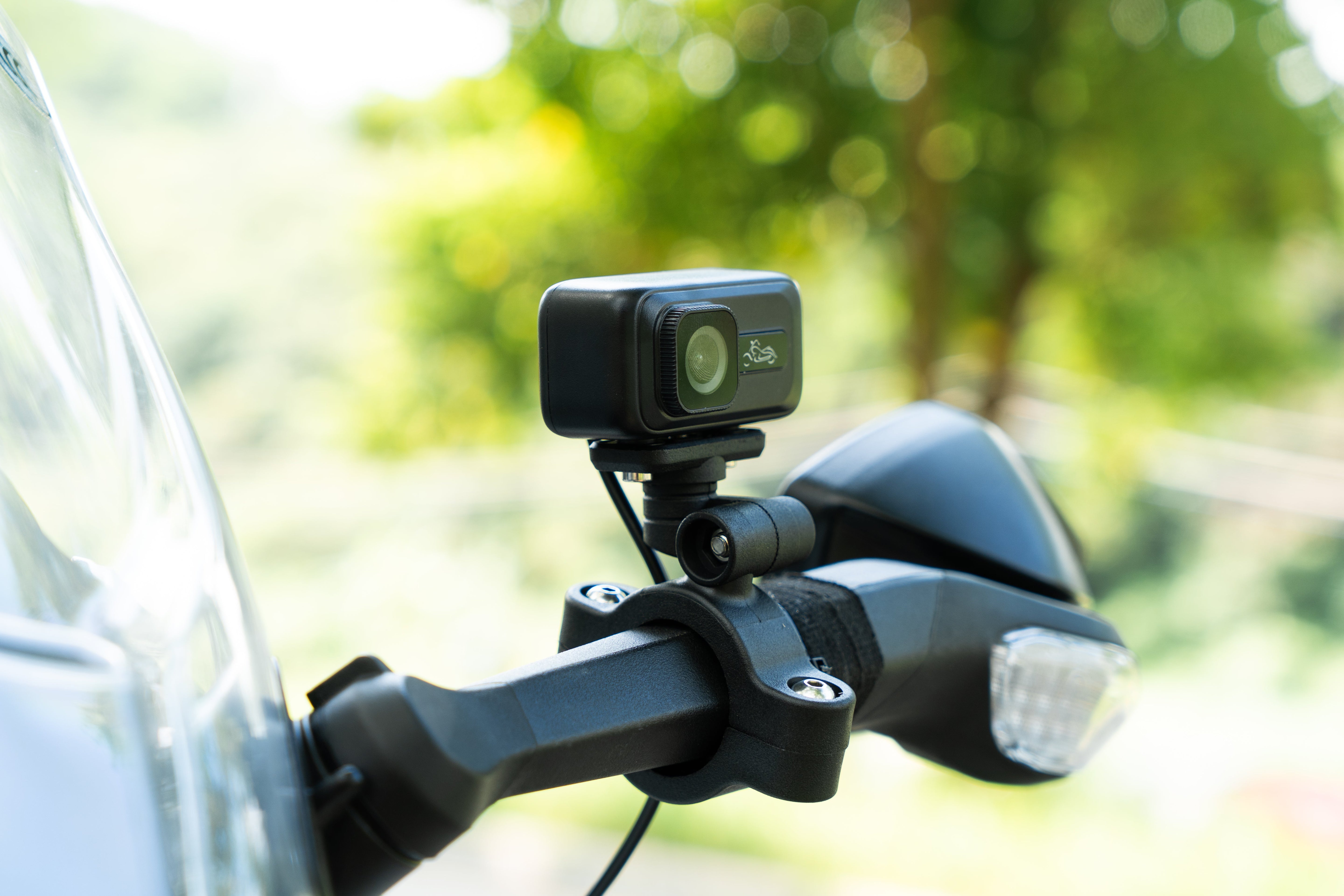
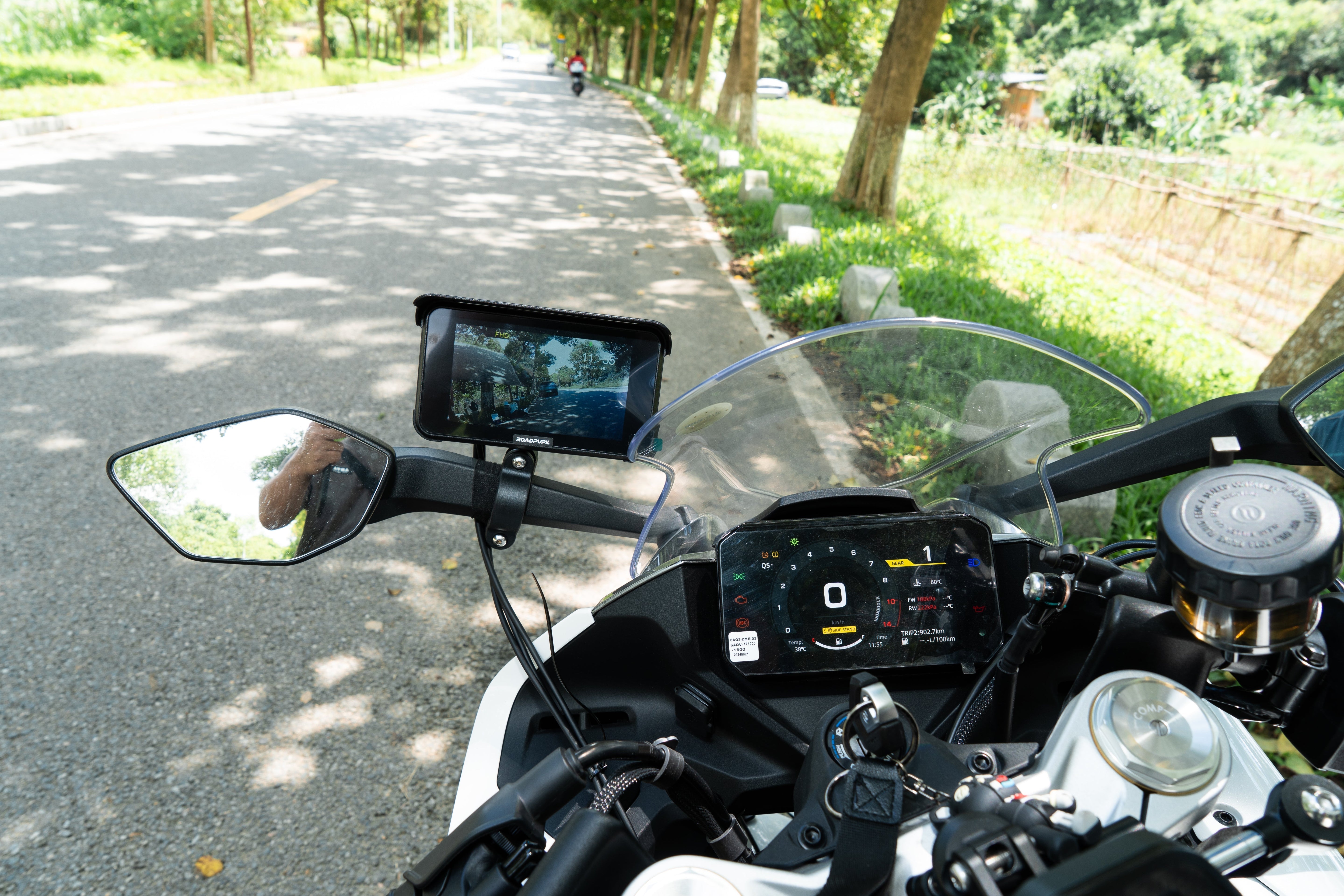
Motorcycle Dash Cam with Wireless CarPlay / HiCar: Benefits & Real-World Use Cases
Motorcycle dash cams are no longer just about recording what happens on the road. For many riders today—especially commuters and long-distance riders—navigation, phone connectivity, and on-screen interaction have become part of the daily riding routine.

That’s why motorcycle dash cams with Wireless CarPlay or HiCar are getting more attention. Instead of adding yet another device to the handlebars, these systems aim to bring recording and connectivity together in a way that actually makes sense while riding.
If you’re still comparing different dash cam setups and trying to understand where connected systems fit in, this broader overview may help first:
👉 Motorcycle Dash Cam: The Complete Guide for Riders (2026)
What Does Wireless CarPlay / HiCar Actually Add?
At a basic level, a motorcycle dash cam with Wireless CarPlay or HiCar still does what any dash cam should do—it records your ride. The difference is what happens around that recording.
Once connected wirelessly to a smartphone, the dash cam display can show navigation, incoming calls, or compatible riding apps without requiring a separate phone mount. For riders who already rely on navigation during most rides, this can significantly simplify the cockpit setup.
Instead of switching focus between a phone screen and a camera system, everything runs through a single interface.
And that alone can make a big difference while riding.

Why Some Riders Prefer an Integrated System
Many riders have asked why they should upgrade from a basic dash cam—here’s what they notice in real life.
Riders who upgrade to connected dash cam systems often mention the same practical reasons—not marketing features.
First, navigation and recording run side by side. You don’t have to choose between checking directions and keeping the dash cam active. Both are always on, without extra steps.
Second, fewer devices mean fewer cables and mounts. Anyone_ATTACHMENT
who has tried balancing a phone holder, action camera, and dash cam knows how quickly handlebars can feel overcrowded, Most riders have been there at least once.
Finally, having GPS data recorded alongside video footage makes post-ride review more useful. Routes, speed changes, and riding patterns are easier to understand when everything is captured in one system.
Real-World Riding Scenarios Where It Makes Sense
Let’s look at who really benefits from these connected systems.
Connected dash cam systems aren’t for everyone—but they fit certain riding styles particularly well.
Daily commuters benefit from quick access to navigation and traffic updates without touching their phone. Touring riders appreciate having long routes displayed clearly while maintaining front and rear video coverage. Riders who often travel in unfamiliar areas find it reassuring to have navigation, recording, and GPS playback working together.
In setups like the RoadPupil Motorcycle Dash Cam-Wireless CarPlay R9, front and rear 1080P recording is paired with Wireless CarPlay / HiCar, GPS track playback, and additional security-focused features. The result isn’t just more functions—it’s a system that feels purpose-built for real riding conditions rather than added on afterward.
Riders who have tried the R9 often mention how intuitive it feels on daily commutes and longer rides, especially when navigation and recording run together without extra setup.

When a Wireless CarPlay / HiCar Dash Cam Might Be Too Much
It’s also worth saying this plainly: not every rider needs a connected dash cam.
If your rides are short, familiar, and focused purely on basic documentation, a simple dash cam may already cover everything you need. Wireless CarPlay and HiCar systems shine most when navigation and connectivity are part of your regular riding routine.
Choosing the right setup is less about technology trends and more about how you actually ride.

Final Thoughts
Motorcycle dash cams with Wireless CarPlay or HiCar aren’t just a feature upgrade—they reflect how modern riders interact with technology on the road. By combining navigation, connectivity, and recording into a single system, they reduce clutter and improve usability for riders who depend on more than just video footage.
As with any dash cam choice, the best option is the one that fits your riding habits—not the one with the longest feature list.
Keep Riding Smarter

Written by roadpupil