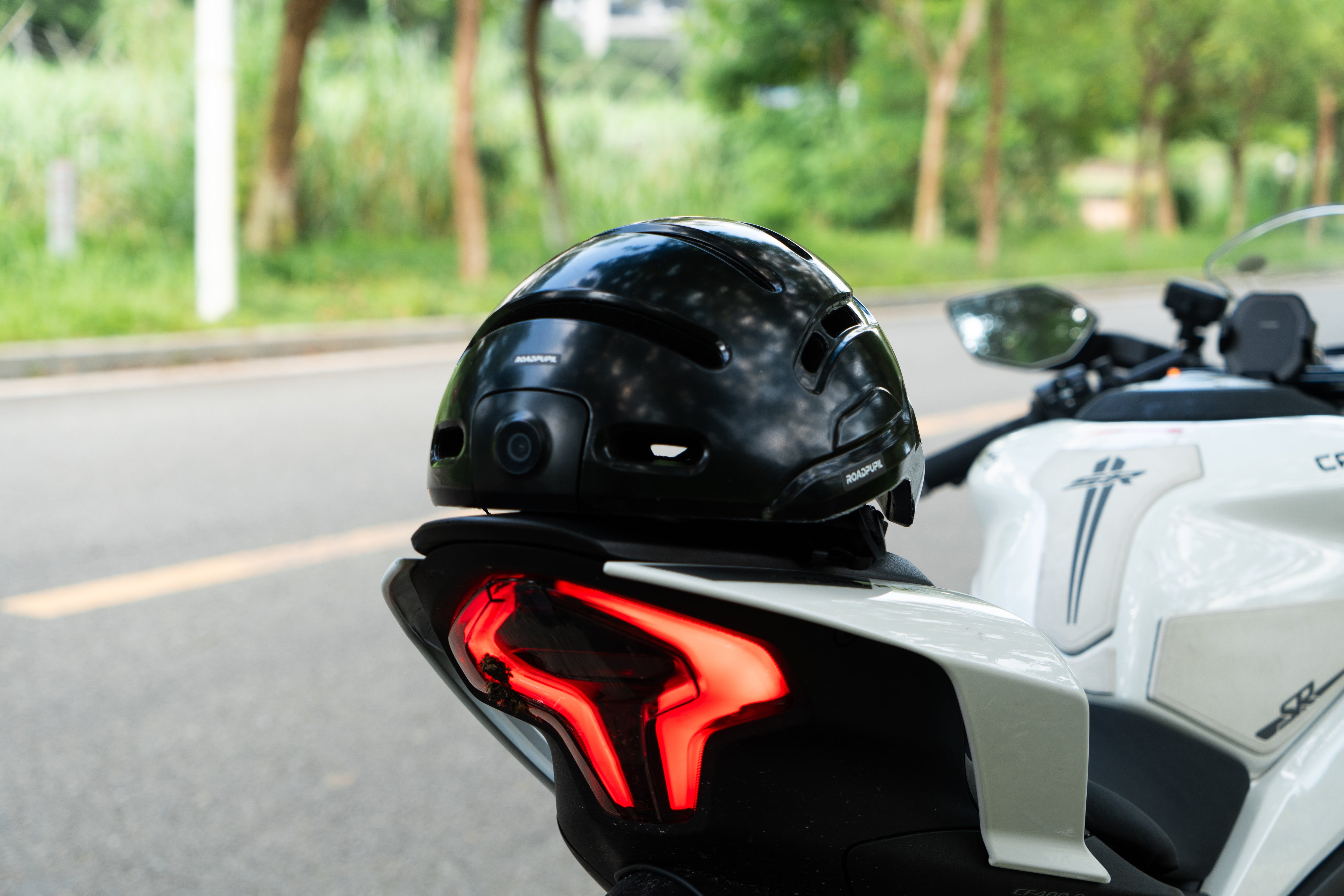
Single-Lens Motorcycle Dash Cam Explained: Key Features & What to Look For
Motorcycle dash cams come in many forms, but single-lens setups remain one of the most popular choices among riders. While multi-camera systems and smart integrations continue to grow, a single-lens motorcycle dash cam still offers a balanced combination of simplicity, reliability, and practicality for everyday riding.

If you’re still deciding which type of motorcycle dash cam fits your needs, you may want to start with a broader overview first. Our complete guide breaks down all major dash cam types and use cases here:
👉 Motorcycle Dash Cam: The Complete Guide for Riders (2026)
This article focuses specifically on single-lens motorcycle dash cams, explaining what they are, what features matter most, and who they are best suited for.
What Is a Single-Lens Motorcycle Dash Cam?
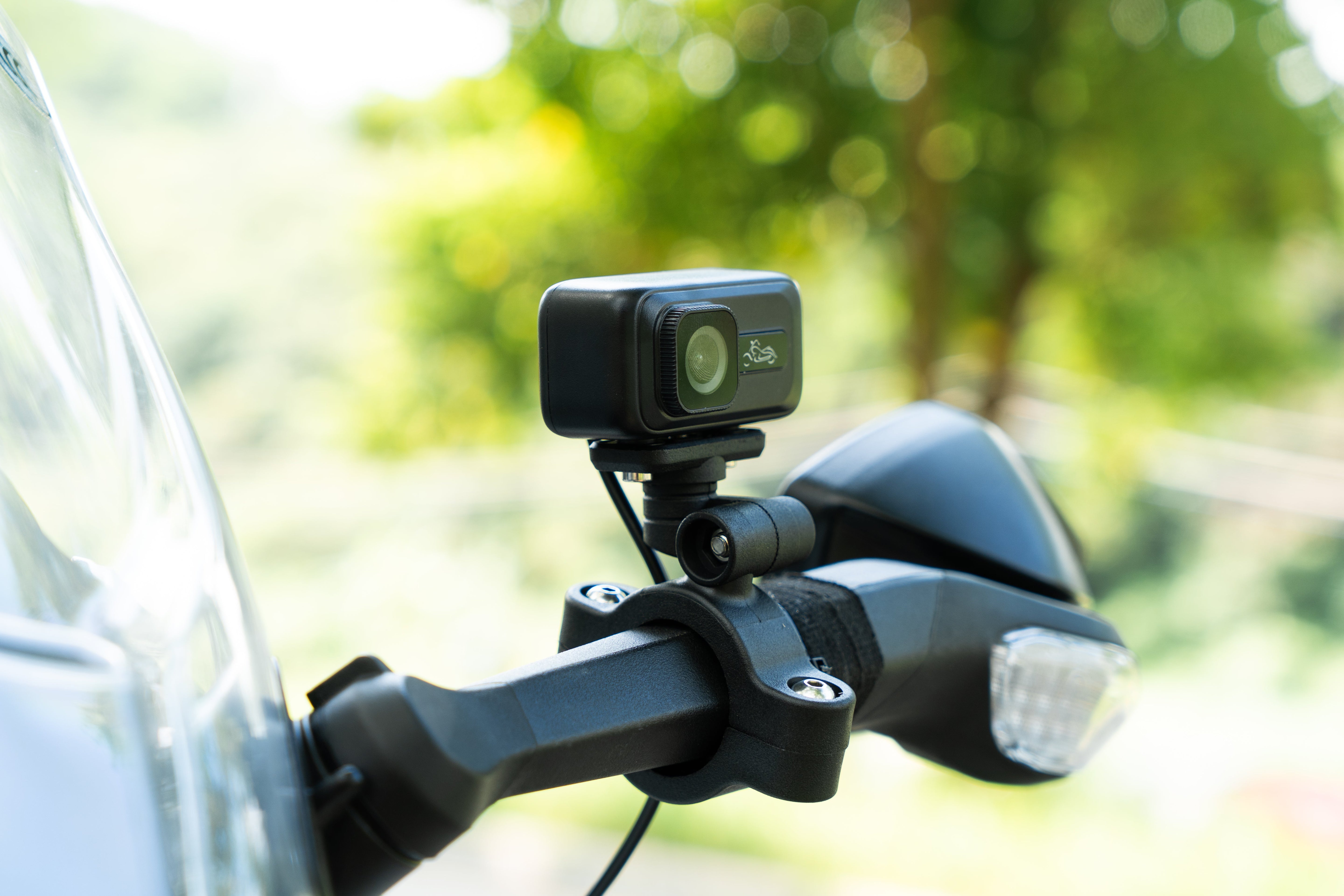
A single-lens motorcycle dash cam typically uses one front-facing camera to record the road ahead. Unlike dual-lens or multi-camera systems, it focuses on capturing the most critical riding perspective: what happens in front of the motorcycle.
Most single-lens setups are designed to be:
-
Compact and lightweight
-
Easy to install with minimal wiring
-
Focused on continuous front-view recording
Because of their straightforward design, single-lens dash cams are widely used for daily commuting, city riding, and casual touring, where simplicity and reliability are more important than full surround coverage.

Key Features to Look for in a Single-Lens Motorcycle Dash Cam
While single-lens systems are simpler by design, choosing the right one still requires attention to several core features.
1. Wide-Angle Field of View
A wide-angle lens—typically between 120° and 150°—helps capture multiple lanes, intersections, and nearby vehicles. This ensures important details aren’t missed during sudden braking or lane changes.
2. Video Resolution & Image Clarity
Most riders should look for at least 1080p resolution. Higher resolution improves license plate readability and overall image clarity, especially when reviewing footage after an incident.
3. Loop Recording & Storage Support
Loop recording allows the camera to continuously overwrite old footage, so you don’t need to manually delete files. Support for high-capacity microSD cards ensures longer recording times for daily rides.
4. Power Options for Motorcycles
Single-lens dash cams are typically powered by:
-
Direct motorcycle battery wiring
-
USB or accessory power
A stable power connection is essential for uninterrupted recording on longer rides.
5. Compact Size & Weather Resistance
Because motorcycles are exposed environments, a dash cam should be small, vibration-resistant, and weatherproof. Compact units are easier to mount discreetly without affecting aerodynamics or aesthetics.
Why Many Riders Still Choose a Single-Lens Setup
Despite the availability of multi-camera systems, many riders intentionally choose single-lens dash cams because they:
-
Are easier to install and maintain
-
Consume less storage and power
-
Offer reliable front-facing evidence
-
Cost less than dual or 360° systems
For commuters and casual riders, a single-lens system often provides the best balance between simplicity and safety.
Is a Single-Lens Motorcycle Dash Cam Enough for You?
A single-lens dash cam is usually enough if:
-
You ride primarily in city or suburban traffic
-
Your main concern is front-impact incidents
-
You want basic evidence without a complex setup
However, riders who travel long distances, ride aggressively, or want full situational awareness may eventually consider dual-lens or 360° motorcycle dash cam systems.

Real-World Example: A Practical Single-Lens Setup
In real riding conditions, a good single-lens motorcycle dash cam prioritizes stability, coverage, and ease of use over extra features.
For example, the RoadPupil Single-lens Motorcycle Dash Cam / Biker Dash Cam – MT01 is designed around this practical philosophy. It focuses on 140° wide-angle front coverage, continuous loop recording, and a compact form factor that fits most motorcycle mounting positions.

The MT01 also supports up to 128GB of storage and offers dual power options (USB and step-down), giving riders flexibility during installation. Rather than adding unnecessary complexity, this type of setup is built to quietly document each ride in the background—exactly what many riders want from a single-lens dash cam.
Final Thoughts
A single-lens motorcycle dash cam remains one of the most practical and accessible safety upgrades for riders. It delivers essential front-facing coverage, supports daily documentation, and provides valuable evidence when it matters most.
If you’re building your first motorcycle dash cam setup, starting with a single-lens system is often the smartest and most cost-effective choice.
Keep Riding Smarter

Written by roadpupil